
Libya's National Oil Corporation says pumping from the Sharara field resumed after a five-day shutdown. The disruption cut production by 942,376 barrels and caused about $95 million in reported losses.
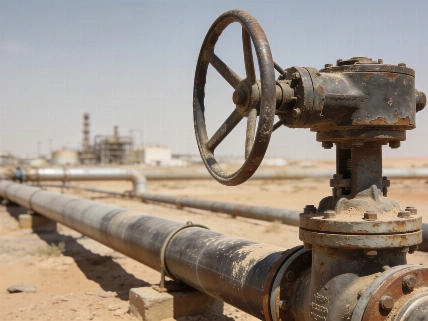
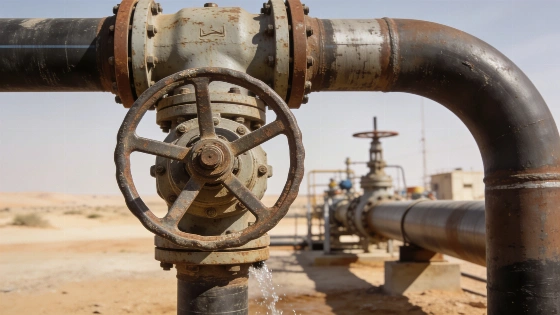
At valve No. 7, Libya's National Oil Corporation (NOC) reopened the Sharara-Zawiya pipeline on September 26. Pumping resumed after five days. Reuters reported that flows were gradually returning to normal, but reopening the route does not show that the dispute has been settled.
The pipeline carries crude from the Sharara field in southwest Libya to the Zawiya complex on the Mediterranean coast. One closed valve disrupted a major link between production, refining and exports. Libya relies heavily on oil revenues to fund public finances. Production and export interruptions can also affect government income and domestic fuel supplies.
Reuters reported that an armed group shut the valve on September 21, sharply cutting output at Sharara. Over five days, the NOC said, production fell by a cumulative 942,376 barrels. It put direct financial damage at about $95 million. The company did not name those responsible or disclose their demands.
The NOC said the forced shutdown also led it to close one processing line at the Zawiya refinery. That allowed another line to keep operating and helped stabilize supply. The blockade affected refining as well as crude production. The reported figures are the company's assessment, not an independently audited estimate.
Akakus operates the pipeline. The joint venture includes Libya's NOC, Spain's Repsol, France's TotalEnergies, Austria's OMV and Norway's Equinor. The arrangement puts international commercial interests in a sector exposed to instability. Maghreb Insider has also reported on security pressure around Zawiya's oil infrastructure in its Zawiya blockade coverage.
Oil and gas facilities in Libya have faced repeated blockades tied to security threats, political disputes and local grievances. The NOC confirmed that pumping restarted. It did not explain what triggered the latest closure or say whether the group reached an agreement. On September 26, Reuters also reported that the UN mission warned further disruption to oil infrastructure could carry sanctions risks because of its potential effect on production, public revenues and energy supply.
Crude can move again along the route between Sharara and Zawiya. Flows are moving again. But the reported $95 million cost and the refinery-line shutdown show how quickly a local blockade can affect Libya's energy system. The circumstances behind the closure and the terms of the reopening remain unclear. The route is back in service. Its vulnerability has not been resolved.