The four-day disruption cost Libya an estimated 720,362 barrels of crude and about $95 million in direct losses. The UN warned that attacks on oil infrastructure could prompt Security Council measures. The National Oil Corporation says pumping has resumed.
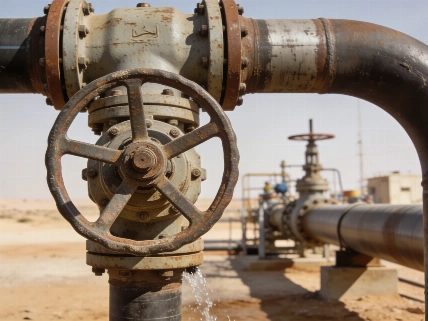
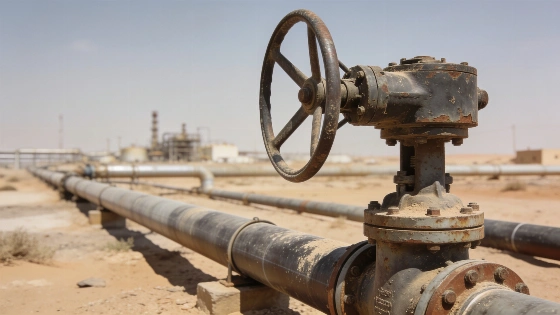
On 21 September, an armed group closed a valve on the pipeline carrying crude from Sharara, Libya's largest oil field. The shutdown cut flows toward the Zawiya refinery and port. The United Nations Support Mission in Libya, or UNSMIL, warned that attacks on or other actions undermining oil and energy infrastructure could lead to measures under relevant Security Council resolutions.
The National Oil Corporation, or NOC, said Valve No. 7 was reopened on 26 September and pumping resumed. It expects flows to return to normal gradually. Safety measures were in place during the restart. A Reuters report said UNSMIL linked the disruption to risks for fuel supplies, electricity generation and government revenue.
UNSMIL referred to Security Council Resolution 2213 (2015). The Anadolu Agency report said the resolution allows measures that include asset freezes and travel bans. The warning set out possible grounds for action. It did not announce sanctions against those responsible for this shutdown.
The NOC first estimated that the four-day disruption through 24 September had cost more than $75 million and 720,362 barrels of lost production. Its reported estimate of direct losses later rose to about $95 million. The figures reflect changing assessments as the shutdown continued. They are not additive.
The outage also disrupted refinery operations. As crude supplies dwindled, the Zawiya refinery shut one unit to preserve operations at another. The NOC warned that a longer interruption could threaten fuel supplies and force further unit closures. The risks reached beyond exports: refinery output was affected, and domestic fuel and electricity supplies were at risk.
UNSMIL called the disruption a blow to Libya's main source of national income, public revenue and supplies. Oil income helps the state fund services. Interruptions can have fiscal and practical effects even after pumping resumes. The NOC's warning comes as other incidents have exposed operational vulnerabilities, including a temporary field shutdown followed by a recovery in production, covered in earlier coverage. The distinction matters.
In April, the Security Council renewed Libya's sanctions regime through August 2027. The regime includes measures addressing illicit petroleum exports. UNSMIL's reference to relevant resolutions was not an announcement of new penalties. The mission warned that actions against or undermining oil infrastructure could provide grounds for measures. It said no sanctions had been imposed over this pipeline closure.
Libya's oil system remains vulnerable amid political and security divisions. The reporting concerns a disruption to a Libyan pipeline. It does not establish a wider interruption to oil supplies across the Maghreb. A single valve closure can cut production, reduce public revenue and put domestic fuel and power supplies at risk. Protecting oil infrastructure helps keep exports running and supports basic services.