
Libya's oil sector is back to normal after a brief shutdown at several fields, according to the National Oil Corporation. Production recovered quickly, highlighting both the sector's resilience and its ongoing security risks.
Libya's oil production has returned to normal after a short shutdown at several major fields, according to National Oil Corporation (NOC) chairman Masoud Suleiman. The NOC said the disruption did not significantly affect overall output, which stayed close to 1.4 million barrels per day. This level matches Libya's highest production since 2013, as reported by CGTN and regional energy monitors.
Production resumes after brief halt
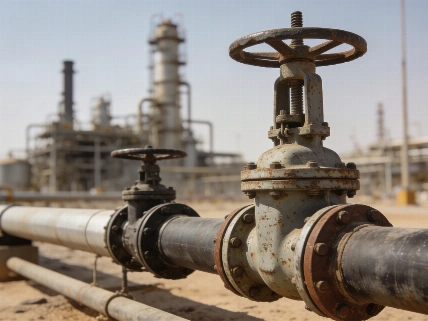
At least three major sites-Hamada, Tahara, and the NC5 complex-were temporarily closed when security forces responsible for oil infrastructure shut a valve on the Hamada-Zawiya pipeline. The NOC stayed in contact with site security throughout the incident. Production at the Sharara field, one of Libya's largest, continued as usual. The Ministry of Oil and Gas, quoted by the Libyan News Agency (LANA), stressed the need for rapid response protocols to limit the impact of such disruptions on national output.Sector stability remains in focus
Oil remains central to Libya's economy, with export revenues making up a large part of the state budget. The quick recovery was welcomed by both local stakeholders and international partners, including the African Union's North Africa Regional Office, which has previously noted the importance of Libya's energy sector for regional stability. The incident also highlights the sector's ongoing vulnerability to security issues, a problem that has continued since the political upheaval of 2011, as reported by the Algerian Press Service (APS).Although the latest shutdown was resolved quickly, it shows how fragile the sector remains. The NOC's ability to restore production is encouraging, but long-term stability will require continued investment in infrastructure security and steady operations. Cooperation with neighboring Maghreb countries, such as recent technical exchanges with Tunisia's Ministry of Industry, Energy and Mines, is important for sharing knowledge and managing crises. For now, the return to normal output is reassuring for those who depend on Libya's oil, but ongoing vigilance is needed to protect future stability.