
Libya's National Oil Corporation (NOC) quickly restored oil output after Petroleum Facilities Guard members blocked the Hamada-Zawia pipeline. The stoppage, which hit several western fields, shows how fragile the region's energy infrastructure remains.
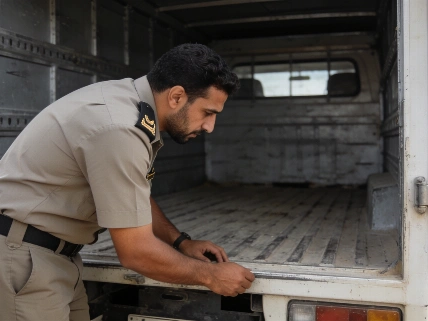
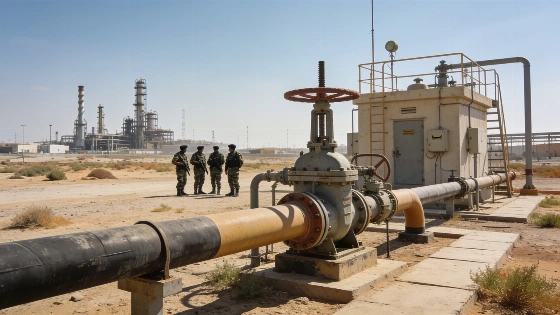
Libya's oil industry hit a sudden stop in mid-September 2026. Members of the Petroleum Facilities Guard closed a main valve on the Hamada-Zawia pipeline. This move shut down production at the Hamada, Tahara, and NC5 oil fields. All three are key sites for western Libya's energy supply. The National Oil Corporation (NOC) called the shutdown an illegal act, not a planned technical pause. NOC officials pointed to how easily Libya's oil network can be disrupted by security problems inside the country, according to Reuters and regional energy experts.
The Hamada-Zawia pipeline links western oil fields to the Zawia refinery on the Mediterranean. Argus reports that the affected fields together can produce about 10,000 barrels a day. The pipeline also connects to the Sharara field, one of Libya's largest, but NOC did not say if Sharara was affected. The Libyan Ministry of Oil and Gas responded right away. The ministry has worked with the African Union's Peace and Security Council before to protect vital energy sites in the Maghreb.
NOC Chairman Masoud Suleiman told both foreign partners and Libyan officials that national oil output stayed steady, close to 1.4 million barrels a day. He said work at the fields was back to normal within a day. Suleiman pointed to the sector's ability to bounce back from local shutdowns. NOC said it is talking with Petroleum Facilities Guard leaders to avoid more blockades. The company only considered declaring force majeure if the shutdown had lasted longer or spread to other sites, as reported by Reuters and the Tunis Afrique Presse (TAP) agency.
Oil and gas are still the backbone of Libya's economy and a main source for the Maghreb region. The brief blockade shows why strong security and teamwork between agencies matter. These points have come up in recent statements from the Arab Maghreb Union and the United Nations Economic Commission for Africa. For more on Libya's energy policy, see the Libyan Ministry of Oil and Gas portal.
The pipeline was reopened quickly, but the event shows the risks North African oil exporters face. Algeria and Tunisia have seen similar problems. Agencies like APS and TAP keep a close watch on pipeline security and trade. Libyan officials acted fast, showing the sector's flexibility. But the incident also makes clear that regional cooperation is still needed to keep energy supplies stable across the Maghreb.