
Mauritania's Ministry of Health is finalising preparations to launch 28 new health centres across Nouakchott, aiming to expand access to primary care as part of the capital's emergency development programme. The move is expected to improve healthcare delivery and address resource gaps.
The Ministry of Health in Mauritania is entering the final phase of preparations to commission 28 new health centres across Nouakchott, as part of the capital's emergency development programme. The initiative is designed to strengthen healthcare infrastructure and improve access to medical services for residents in all nine districts of the city.
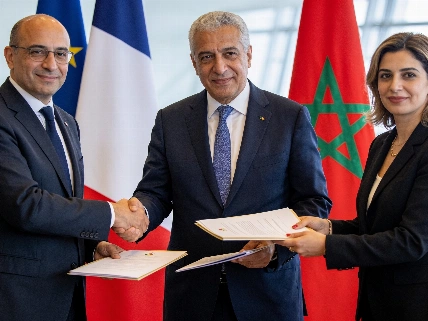
On Monday, Minister of Health Thiam Tidjani chaired a meeting with regional health directors and chief physicians from Nouakchott's three wilayas. The session focused on assessing the readiness of the new centres, identifying outstanding needs for medical equipment and personnel, and establishing a mechanism to allocate human resources efficiently to ensure smooth service delivery from the outset.
Focus on Staffing and Equipment Allocation
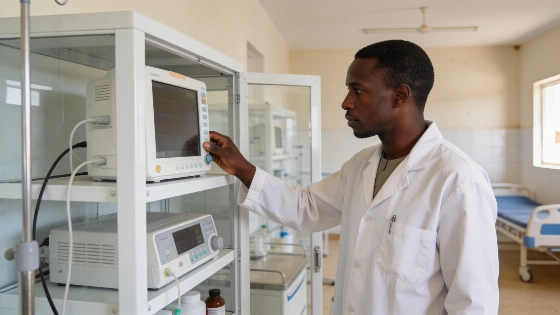
Discussions during the meeting centred on determining the specific requirements for doctors, nurses, and support staff at each facility. The Ministry is also overseeing the installation of essential equipment and coordinating between central and regional administrations to guarantee that the centres are fully operational upon opening.
Minister Tidjani emphasised the importance of close coordination and ongoing monitoring to address any challenges that may arise during the commissioning process. The goal is to ensure that the new health centres are equipped to provide quality care to citizens from day one.
Part of Broader Urban Development Efforts
The health infrastructure expansion forms a key component of Nouakchott's emergency development programme, which includes both new construction and the rehabilitation of existing facilities. The 28 centres are distributed across the city's nine moughatas, reflecting a strategy to address disparities in healthcare access and respond to population growth.
This initiative follows other recent government efforts to modernise public services in Mauritania. For example, the Ministry of Equipment and Transport recently announced plans to introduce biometric driving licences and vehicle registration plates, aiming to streamline administrative processes and improve service delivery for citizens. More details on this digitalisation drive can be found in this report on Mauritania's move to digitise driving licences and vehicle registration.
What to Watch Next
The Ministry of Health is expected to announce the official opening dates for the new centres once final checks on staffing and equipment are complete. The effectiveness of the resource allocation mechanism and the impact on healthcare access in Nouakchott will be key indicators to monitor in the coming months.