Pakistan and Libya are looking to step up cooperation in trade, education, and business. Both governments say dialogue and diplomacy are needed as the region faces new pressures.
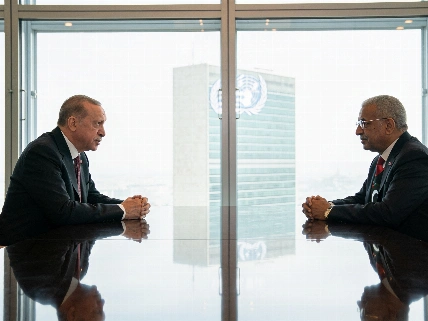
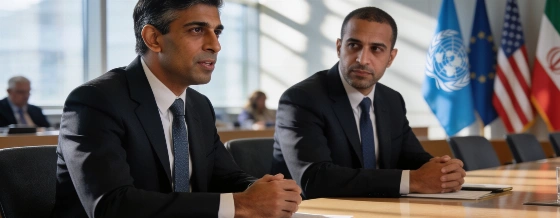
Pakistan and Libya are taking steps to strengthen their relationship. Both sides want to work more closely on trade, education, and direct business ties. This renewed push came out of a meeting between Deputy Prime Minister Ishaq Dar and Libya's Acting Minister of Foreign Affairs and International Cooperation, Al-Taher Al Baour. The two met during the 81st Session of the UN General Assembly in New York. The Libyan delegation thanked Pakistan for its diplomatic work to support stability in the region, according to the Saudi Press Agency. Both governments released statements echoing this message.
The talks focused on the need for practical cooperation as the Middle East and North Africa face ongoing instability. Both delegations shared their views on the current geopolitical situation. They discussed how shifting alliances and unrest could affect peace, energy supplies, and the wider global economy. The Libyan News Agency has reported that Tripoli is reaching out to attract investment and build new economic partnerships across the Maghreb and MENA region. Algeria and Tunisia are taking similar steps, as covered by APS and TAP.
Strategic priorities for economic and educational exchange
Trade and education were at the top of the agenda. Both governments want to see more business-to-business exchanges. They see economic ties and knowledge sharing as ways to build resilience against outside shocks. The Libyan Foreign Minister recognized Pakistan's efforts to promote peace and stability, showing that Islamabad's diplomatic role is valued. No new agreements or trade quotas were signed at this meeting. This was confirmed by both sides and reported by Dunya News and the Saudi Press Agency.
The meeting did not lead to immediate deals or new projects. Still, both sides sounded cautiously optimistic. They seem to be laying the groundwork for deeper engagement, hoping that future talks will bring concrete results. Libya has been reaching out to other international partners as well, as reported by the Libyan News Agency. Tripoli is looking to diversify its economic ties while facing domestic and regional challenges. The United Nations Economic Commission for Africa (UNECA) has also noted that Maghreb countries are taking part in more multilateral economic forums as part of a wider regional strategy.
Diplomacy as the only viable path forward
Deputy Prime Minister Ishaq Dar said that dialogue and diplomacy are the only real way to tackle the region's complex problems. He called on all parties to stick to the Islamabad MoU as a tool for building stability. Dunya News covered this point in its English-language reporting. The Libyan side agreed, saying it wants partners who are ready to work together instead of raising tensions.
For both Pakistan and Libya, the stakes are real. Energy security, economic growth, and access to education are urgent needs shaped by a turbulent region. The willingness to keep talking, even without big new deals, shows a practical understanding that steady progress is better than doing nothing. In a region where instability is common, this kind of engagement may be the most valuable thing either country can build. Regional outlets like the Moroccan news agency MAP have noted that other North African governments are taking a similar approach as they try to balance local needs with international partnerships.