President Recep Tayyip Erdogan has warned that Türkiye will reject any Libya settlement that undermines its interests. Ankara is stepping up energy and defence cooperation with Tripoli and wants a central role in Libya's future.
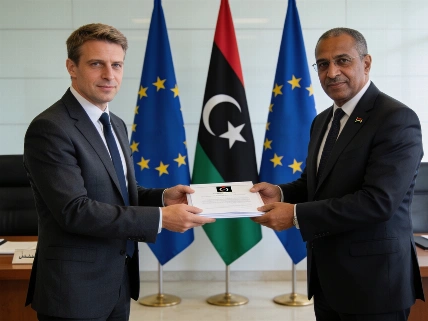
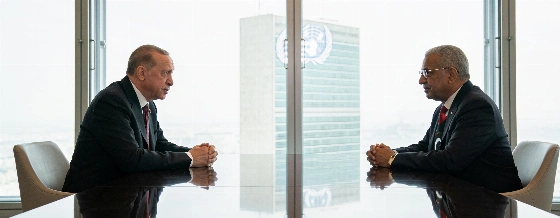
Türkiye has left no doubt about its stance on Libya. Any deal-international or local-that does not protect Turkish interests will not get Ankara's approval. President Recep Tayyip Erdogan made this clear to Mohamed Menfi, Chairman of Libya's Presidential Council, during a closed-door meeting at the Turkevi Center in New York on September 21, 2026. Anadolu Agency and regional diplomatic sources confirmed the meeting. It took place on the sidelines of the 81st United Nations General Assembly. The two leaders talked about their countries' relationship and the urgent issues facing the region. Both said Libya needs ongoing dialogue and reconciliation to stabilize.
Erdogan's warning comes as outside powers and Libyan groups keep fighting for control over Libya's future. Türkiye wants to keep its strategic and economic position in the country. Ankara does not want to be pushed aside by any plan that could weaken its influence or priorities. The Turkish Directorate of Communications repeated that Türkiye will not accept any settlement that does not match Libya's interests. This echoes Ankara's wider regional policy. Tunis Afrique Presse (TAP) and the Algerian Press Service (APS) have both covered how Türkiye's approach shapes Maghreb diplomacy.
Energy and defence at the centre of Ankara's strategy
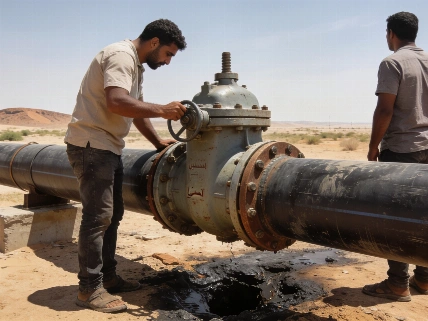
Erdogan stressed that energy, defence, and mining projects are top priorities for Türkiye and Libya. The official statement said both sides talked about expanding work in these areas, especially energy projects that are already underway. In February 2026, the Turkish Petroleum Corporation (TPAO) secured rights to jointly develop two oil fields in Libya. The formal deal was signed in Tripoli on June 15, 2026, as reported by Daily Sabah and confirmed by regional economic bulletins. Erdogan also invited Menfi to the upcoming COP31 Leaders' Summit in Antalya. This move shows Ankara wants Libya to be part of its bigger Mediterranean and African plans, using shared history and culture to build deeper ties in areas that matter for both countries' security and prosperity.
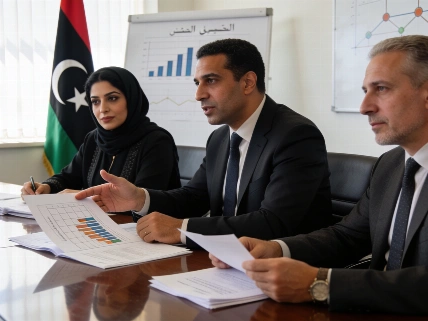
The Turkish Communications Directorate said Ankara's involvement is not just talk. Turkish diplomats and officials are working to support stability in Libya. They are focused on keeping a broad political process alive, based on national dialogue and reconciliation. The goal is to strengthen Libya's institutions and make sure the country's resources and position are not controlled by outsiders. The African Union's Peace and Security Council and the UN Economic Commission for Africa often stress the need for regional solutions to Libya's crisis.
Regional stakes and the path forward
Erdogan's timing is no accident. Libya's internal divisions remain, and regional players are all trying to gain ground. Türkiye is making itself a key partner for Tripoli. Ankara's official statement says the security, welfare, and stability of the Libyan people are central to Turkish policy-but always within the limits of Turkish national interest. This matches recent statements from the Libyan Ministry of Foreign Affairs, which has said that balanced international partnerships are important for rebuilding and stabilizing the country. For more on Libya's official diplomatic positions, see the Libyan Foreign Ministry portal.
Recent events show how fragile Libya's politics still are. A recent report highlighted the risks facing Libya's oil sector as political divides continue. Türkiye's latest move makes it clear it will not stand by if its influence or economic interests are threatened. The Algerian Press Service (APS) and Morocco's Maghreb Arab Press (MAP) have both reported on the growing competition among regional and global players for Libya's energy resources and infrastructure projects.
Türkiye's tough stance on Libya is a calculated effort to secure its regional goals and present itself as a stabilizing force. By tying its support to real cooperation in energy and defence, Ankara is making it clear that any future deal in Libya must take Turkish interests into account. For other regional and international players, the message is simple: Türkiye will not sit out the next phase of Libya's future.