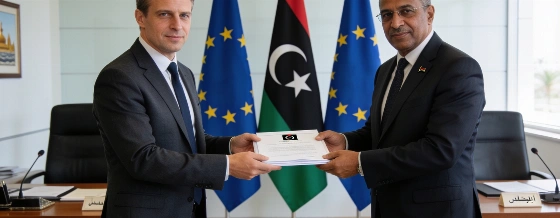
Alexis Konstantopoulos is set to become the European Union's new ambassador to Libya. Tripoli's Foreign Ministry has started the process to accredit him, as both sides look to build closer ties.
The European Union is changing its diplomatic team in Libya. Alexis Konstantopoulos has been picked as the new EU ambassador. Tripoli's Ministry of Foreign Affairs is now working through the steps to make his appointment official. Both the EU and Libya want to strengthen their partnership, especially with regional tensions still in play. But as of mid-September 2026, the European External Action Service (EEAS) has not confirmed Konstantopoulos's appointment in its official updates. The EEAS website lists other recent senior postings, but not for Libya.
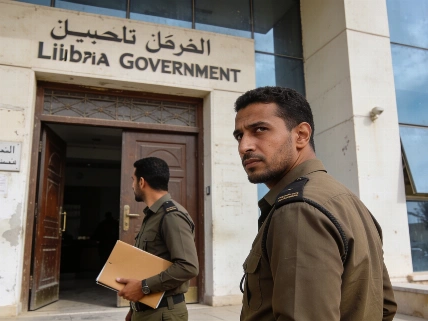
Today, Al-Taher Hussein, who leads the General Protocol Department at Tripoli's Ministry of Foreign Affairs and International Cooperation, received a copy of Konstantopoulos's credentials. This is a key step before the ambassador can start his work in Libya. The Libyan News Agency (LANA) has reported ongoing diplomatic meetings in Tripoli. Libya is staying active with foreign missions and international partners, including the EU.
Libya and EU look to deepen cooperation
During the handover, the protocol chief welcomed Konstantopoulos and backed his mission. The Ministry said it wants to keep building cooperation with the EU. These efforts are meant to serve both sides. Recently, Libya's parliament approved a political agreement that opens the door for long-awaited presidential and parliamentary elections. Anadolu Agency reported on this, and regional outlets like Tunis Afrique Presse (TAP) covered it as well. This political move sets the stage for new diplomatic appointments in Tripoli.
Konstantopoulos said he is ready to work on stronger bilateral ties and better coordination on shared issues. This focus on partnership matches recent moves by international players to reconnect with Libya's institutions. For example, European companies have been expanding their presence in the country. The EU's wider regional agenda, as described by High Representative Kaja Kallas in a September 2026 speech at the United Nations, includes maritime security in the Red Sea and diplomatic work in Yemen. This shows Brussels is paying close attention to stability in North Africa and the Middle East.
What comes next in the diplomatic process
Konstantopoulos's accreditation now depends on Libyan authorities finishing the required steps. Once that's done, he will represent the EU in Tripoli and help drive talks on security, the economy, and more. The Algerian Press Service (APS) has pointed out that regional diplomatic missions are focusing on migration, energy, and infrastructure. These are all key issues for EU-Libya relations.
This appointment shows the EU is still engaged with Libya's government. Both sides seem ready to build a more structured diplomatic relationship. The real impact will depend on how quickly the accreditation wraps up and what happens next. For now, both Tripoli and Brussels are keeping the lines open and looking for common ground. In this region, diplomatic moves often come before bigger policy changes. Bringing in a new EU ambassador is a clear step that could shape the next chapter in Libya-EU relations. For official updates, readers can check the Libyan Ministry of Foreign Affairs.