Libya's rival factions have signed a UN-backed election roadmap promising national polls within two years. But persistent divisions and fragile security leave the country's oil sector vulnerable to fresh disruption.
Libya's oil industry is once again at risk as the country's competing power centers try to move toward long-delayed national elections. A new UN-brokered agreement has been signed, but the real challenge is whether Libya's fractured institutions can follow through-or if the deal will simply lead to more brinkmanship and threats to oil production.
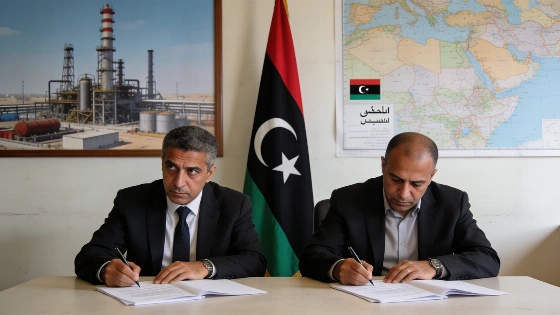
The Small Convening Agreement (SCA), signed in Tripoli on 30 August 2026, was arranged under United Nations mediation and brought together representatives from the Government of National Unity (GNU), the Libyan National Army (LNA), the High State Council (HSC), and the House of Representatives (HoR). Each group sent two delegates to the 4+4 committee, which now claims to have settled disputes over electoral laws and the structure of the national electoral body. The roadmap sets a two-year deadline for holding parliamentary and presidential elections-a timeline that reflects both the urgency and the ongoing dysfunction of Libya's post-2011 politics. According to the UN, the agreement addresses two major sticking points: the makeup of the electoral commission, with representation from all three regions, and the link between parliamentary and presidential election results (UN News).
Institutional gridlock and security risks
Despite the formal deal, Libya's main institutions remain deeply divided. The GNU in Tripoli and the LNA in Benghazi still operate as parallel authorities, each with its own security forces, patronage networks, and foreign backers. The HoR and HSC have repeatedly failed to agree on the legal and procedural rules for elections, blocking earlier efforts at national reconciliation. The UN Security Council welcomed the SCA on 8 September 2026 and called on all Libyan parties to implement its terms, especially the restructuring of the High National Elections Commission (HNEC) and the two-year election deadline (UN Security Council).
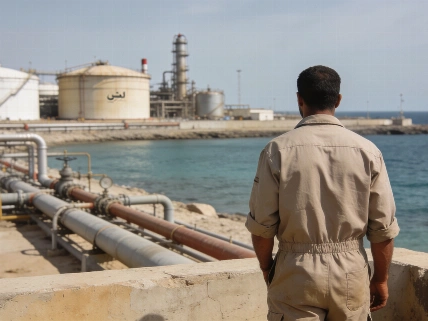
These divisions have direct consequences for Libya's oil sector. The National Oil Corporation Libya, which supplies most of the state's revenue, has often been caught between rival groups using blockades, strikes, or threats to key infrastructure as leverage. Any breakdown in the political process could quickly disrupt oil exports and government finances. The Algerian Press Service (APS) has noted that regional energy markets remain sensitive to Libyan supply shocks, with Algeria and Tunisia watching developments closely because of their own energy ties and cross-border trade.
UN mediation and the credibility gap
The United Nations has taken the lead in brokering Libya's election roadmap, but its influence depends on whether local actors stick to their promises. The SCA's pledge to reform the electoral body and clarify election laws is a step forward, but earlier deals have collapsed under pressure from spoilers on both sides. The two-year timeline is ambitious, given the entrenched interests and the lack of a unified security force to guarantee a credible vote. The agreement still needs approval from both the House of Representatives and the High State Council by the end of September 2026. If not ratified, signatories say they will seek broader national mechanisms and international support, as reported by the Atlantic Council and confirmed by Tunis Afrique Presse (TAP).
Recent events offer little comfort. Efforts to stabilize Libya's economy-such as the government's move to cap flour prices after a bread crisis last summer (reported earlier)-have shown how limited state authority is and how easily local actors can undermine national policy. The same weaknesses threaten the election process, especially if key groups see the roadmap as a threat to their power or income. The Moroccan news agency MAP has also pointed out that the lack of unified executive authority and national institutions remains a major obstacle to carrying out any election deal.
What's at stake
For Libya's political leaders, the SCA offers a brief pause from international pressure and a chance to reset the narrative. For ordinary Libyans-and for the oil-dependent economy-the risk of renewed instability is still high. The roadmap's success depends on more than signatures; it requires a level of cooperation and security coordination that has so far been out of reach. The agreement is part of a broader UN plan introduced in August 2025, aimed at overcoming political and institutional fragmentation through unified electoral rules and governance structures (UN News).
What matters now is whether Libya's rival authorities are willing to give up real power and allow a credible election to take place. Without concrete steps to unify security forces and protect the oil sector from political interference, the roadmap risks becoming another unfulfilled promise. The international community may mark a diplomatic achievement, but on the ground, Libya's future is still shaped by the same rivalries that have blocked every previous attempt at national renewal.