The African Union Commission president has called for urgent reforms to the continent's peace and security architecture, warning that Africa faces increasingly complex security and political challenges, including terrorism, internal crises, and external shocks.
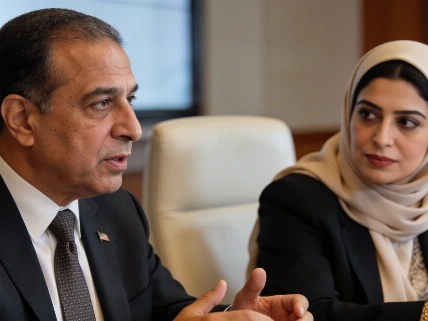
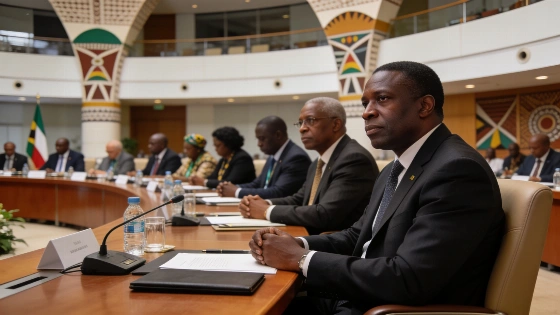
The president of the African Union Commission, Mahmoud Ali Youssef, has called for an accelerated overhaul of Africa's peace and security mechanisms, citing the continent's exposure to escalating security and political threats. Speaking at the 26th extraordinary session of the African Union Executive Council in Luanda, Youssef highlighted the growing complexity of challenges such as terrorism, violent extremism, internal crises, inter-state tensions, and external shocks.
Youssef questioned whether current strategies, mechanisms, and resources are sufficient to address these evolving threats, and whether the African peace and security architecture remains fit for purpose. He argued that the inadequacy of existing tools requires Africa to move swiftly on reforms.
Calls for Stronger Prevention, Coordination, and Funding
The Commission president urged member states to reinforce early warning and prevention efforts, improve coordination among African institutions, and adopt a comprehensive approach to countering terrorism and violent extremism. He also stressed the need to maintain a firm stance against unconstitutional changes of government, while ensuring dialogue remains central to conflict resolution.
Youssef emphasised that African-led funding for peace operations must be strengthened, warning that the goal of silencing the guns by 2030 cannot rely primarily on external resources. He called for greater support for the African Union Peace Fund and renewed backing for UN Security Council Resolution 2719.
Political Will and Next Steps
According to Youssef, political will is the cornerstone of collective efforts to address Africa's security challenges. He outlined that the next phase should focus on prevention, coordination, sustainable financing, accountability, and effective monitoring and evaluation of conflict prevention and resolution mechanisms.
Opening the session, Édouard Bizimana, Burundi's foreign minister and current chair of the Executive Council, acknowledged progress in establishing collective peace and security mechanisms but warned of a worrying escalation in political and security crises. He cited terrorism, violent extremism, cross-border crime, inter-state tensions, unconstitutional changes of government, humanitarian crises, climate-related insecurity, and emerging technological threats as key risks.
Participants in Luanda are set to review draft resolutions, an action plan, and an implementation matrix aimed at strengthening African conflict prevention and resolution mechanisms, before forwarding them to the African Union Assembly of Heads of State and Government. The focus on institutional reform and sustainable funding echoes broader efforts across the continent to modernise public sectors, as seen in initiatives such as the modernisation of Algeria's public transport sector.