The 24-month plan is stuck after objections from Libya's High Council of State and Presidential Council. The UN will consult participants this month on a broader mechanism and the next steps towards elections.
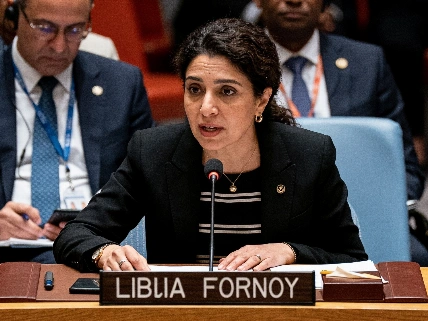
On 14 October, UN Special Representative for Libya Hanna Tetteh told the Security Council that the 4+4 agreement still depended on approval from key Libyan institutions. Its legal status and the procedures for adopting it remain disputed.
The agreement was signed in Tripoli on 30 August, after four months of deliberations by the Smaller Convening. The group brought together four representatives of the Tripoli-based Government of National Unity and four representatives of the eastern Libyan side. Tetteh described the signing as a break in the prolonged political and institutional deadlock, but said implementation required approval from key institutions. Her Security Council briefing set out that condition.
Legal disputes stall the 24-month roadmap
The agreement sets a 24-month period for parliamentary and presidential elections under a single unified executive authority. It calls for changes to electoral legislation and a reconstituted board at the High National Elections Commission, or HNEC. It also assigns work on long-standing disputes over the constitutional and legal framework for elections. The participants envisaged approval by the House of Representatives and the High Council of State within one month of signing.
On 5 October, the High Council of State rejected the 4+4 outcome. It argued that the process bypassed established constitutional and legal procedures and affected the powers of existing political institutions. Council chairman Mohamed Takala said the UN mission should facilitate and support the political process, not establish alternative tracks outside Libya's institutions or agreed constitutional frameworks. The council also rejected electoral laws issued by the House of Representatives, along with Resolution No. 7, which endorsed the mini-dialogue arrangements.
The House of Representatives approved the agreement, but the High Council of State's rejection has left the two institutions short of the agreement envisaged in the roadmap. In a letter to Tetteh, Takala said any settlement should reflect Libyan national will and follow established constitutional and political principles. He also pointed to the council's political roadmap, announced on 21 August 2025, as a basis for elections. The latest phase follows earlier UN-backed efforts covered in Maghreb Insider's Libya deal report.
Broader participation remains contested
Presidential Council head Mohamed al-Menfi has also raised concerns. He warned against arrangements that reproduce divisions or distribute positions and influence among rival factions. Instead, he has called for national consensus that preserves state institutions and enables simultaneous presidential and parliamentary elections without exclusion.
Saleh Afhima, a member of parliament's Legislative and Constitutional Committee, said the agreement could contribute to a settlement if political and legal concerns were addressed through dialogue. Wider participation would be constructive, he said, if it complemented existing institutions rather than replacing them or bypassing their mandates.
At the 14 October briefing, Tetteh said UNSMIL would continue consultations with the agreement's participants during October. The mission will explore a more broadly representative national mechanism under Article Five, in consultation with the Security Council. Tetteh also said it would work with diverse Libyan stakeholders on other priority issues to create conditions for elections and unified institutions. The UN briefing outlined the agreement's provisions for elections under a single executive and for addressing questions around the HNEC and the legal framework.
The dispute is unfolding amid wider economic concerns. Tetteh warned that the prolonged institutional deadlock was draining Libya's oil wealth and worsening conditions for households. The United Kingdom's representative at the Security Council called the commitment to amend electoral laws and hold parliamentary and presidential elections within 24 months a significant step forward. The institutional approval required for the roadmap remains contested.