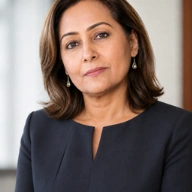
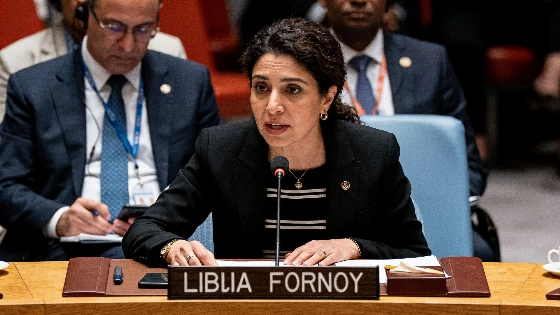
Hanna Serwaa Tetteh called the Smaller Convening Agreement a milestone after four months of talks. She warned that inflammatory rhetoric and institutional divisions still threaten elections and Libya's stability.
At the Security Council on Oct. 14, UN envoy Hanna Serwaa Tetteh warned that parties rejecting dialogue and rhetoric encouraging unilateral action could derail Libya's political process. She urged council members to back those taking part and hold spoilers accountable. Constructive engagement could produce results, she said, even as major challenges remained.
The warning came as Libya took a step toward breaking its political deadlock. The Smaller Convening Agreement was signed in Tripoli on Aug. 30 after four months of talks. Tetteh, the UN secretary-general's special representative for Libya and head of the UN Support Mission in Libya, or UNSMIL, called the agreement and recent political progress important milestones. The deal proposes restructuring the leadership of the High National Elections Commission and resolving disputes over the constitutional and legislative framework for elections.
It sets a 24-month horizon for presidential and parliamentary elections under a unified executive authority. Libya's House of Representatives approved the agreement on Sept. 14. On Sept. 28, it notified UNSMIL that it had adopted laws related to the deal and the electoral commission's composition. The UN Security Council welcomed the agreement and called for its practical implementation. Tetteh's remarks are available in the UN's Security Council briefing.
That backing did not settle the dispute between Libya's institutions. On Oct. 5, the High State Council, chaired by Mohamed Takala, rejected the agreement. It objected to how the deal had been prepared and argued that changes to the electoral commission and election laws required agreement between the two legislative bodies. Takala said UNSMIL should facilitate the political process, not create alternative formats outside Libyan institutions and agreed constitutional frameworks, Libya Observer reported.
Tetteh said an agreement alone could not resolve the problems surrounding elections. She pointed to the fragmentation of the judiciary as a wider institutional challenge and warned that elections could not be separated from those issues. The agreement ties the electoral timetable to changes at the election commission and efforts to settle longstanding disputes over the legal basis for voting.
Malta's engagement with eastern Libya has also focused on political unity. A Benghazi visit report described the delegation's support for institutional unity and a peaceful political settlement.
Tetteh described the security situation as fragile, but welcomed steps toward greater cooperation between military and security institutions in eastern and western Libya. UNSMIL is continuing technical-level confidence-building work between the sides. In the south, she said, a stronger state presence and better border management could contribute to stability. She also pointed to local grievances over access to services.
She warned that misinformation and disinformation were being used alongside hate speech and incitement against people seeking refuge or migrating. Humanitarian actors and UN personnel were also targeted. Tetteh said public concerns about migration should be addressed through responsible policy and dialogue. Verified information, she said, should replace intimidation or violence.
Domestic pressure added to the authorities' challenges. In September, doctors and other medical workers held strikes in Tripoli and elsewhere over unpaid salary increases and employment conditions. Teachers also protested, while workers sought allowances. Tetteh's briefing noted the impact of these disputes amid the wider political process.
Tetteh urged the Security Council to offer positive incentives and guarantees so the parties could move forward quickly. She said Libya could still reach prosperity as a unified and stable state.