A 30 August agreement sets a two-year timetable for Libyan elections. UN-backed teams cleared 14,066 explosive items in Misratah from January to September 2026.
On 30 August, representatives of Libya's eastern and western camps reached an agreement through the "4+4" format. It sets changes to electoral laws and a two-year timetable for parliamentary and presidential elections, giving the Security Council a concrete political development to assess at its October briefing.
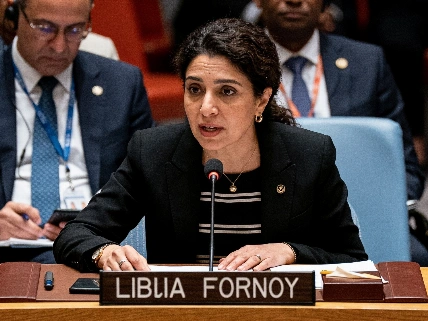
A senior UN official called the progress "encouraging." On 14 October, the British delegation to the Council described the commitment as a "significant step forward" and urged participants to carry it out. The deal sits within the political roadmap promoted by the UN Support Mission in Libya (UNSMIL), which calls for unified state institutions and action on obstacles to elections.
Election rules meet a fractured backdrop
The agreement sets a 24-month window for parliamentary and presidential elections and calls for amendments to electoral legislation. The timetable lands in a country whose state institutions were shattered by the collapse of Muammar Gaddafi's regime in 2011. Libya's nationwide elections, scheduled for December 2021, did not go ahead amid disputes over voting rules and candidate eligibility.
The schedule remains tied to a broader political process, and the High Council of State in Tripoli has challenged the route taken. It objected to the 4+4 process and decisions by the House of Representatives, arguing that electoral changes should follow previously agreed constitutional procedures. In a letter to UN envoy Hanna Tetteh, Council chairman Mohamed Takala also objected to laws passed by the House. He raised a separate concern over the reconstitution of the High National Elections Commission.
The House of Representatives elected Al Saleheen Abdulnabi as its speaker during meetings in Benghazi, according to the UN on 8 October. UNSMIL said it would keep engaging with the House and its new presidency. The mission also said it would work with all House members to advance the roadmap, reforms and elections within the agreed timeframe.
The Council's session follows an earlier Libya briefing notice, which listed the country among regional consultations. The Security Council met on Libya on 13 to 14 October to discuss political developments and UNSMIL's work. The mission is seeking agreement among Libyan actors on disputed parts of the electoral framework, including legal conditions for elections and candidate eligibility.
Mine clearance brings a measurable update
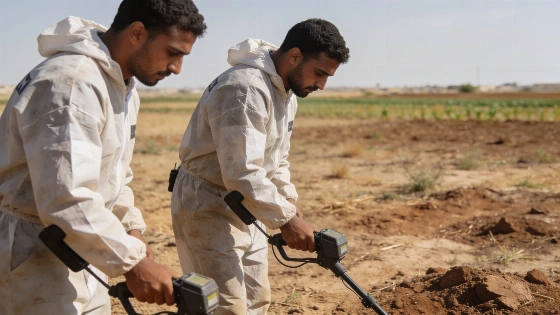
UN-supported mine action cleared 14,066 items of explosive ordnance from Al-Sweihli Farm in Misratah between January and September 2026. UNSMIL and Italian assistance supported the operation. Libyan organizations took part, as did The HALO Trust. The clearance is intended to reduce risks to residents and let displaced people return to agricultural land.
Mines and unexploded ordnance remain a problem after years of conflict. Separately, an analysis published by AllAfrica highlighted the absence of a comprehensive mechanism in the election agreement for collecting and controlling weapons stockpiles.
The UN Meetings Coverage Section team is providing live coverage of the Council's discussion, which is also available on UN Web TV.