
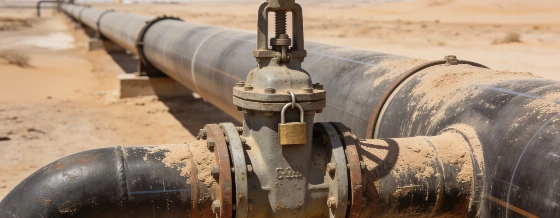
Libya's Sharara oil field has lost about 200,000 barrels a day after an armed group closed a vital pipeline valve. The National Oil Corporation is now warning it may declare force majeure if the blockade drags on, putting state revenues at risk.
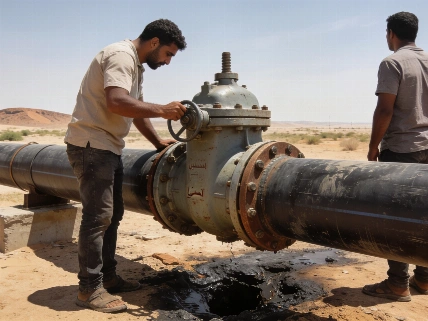
Libya's oil industry is facing another crisis. An armed group forced the shutdown of valve number 7 on the Sharara pipeline, cutting off a route that usually sends up to 340,000 barrels a day to the Zawia port. Output at Sharara has crashed, dropping to just 100,000-105,000 barrels a day. These figures come from technical sources at the National Oil Corporation (NOC) and have been confirmed by regional news agencies including Anadolu Ajansı and Xinhua. The shutdown happened on 21 September 2026. There is still no resolution, and the risk of a long supply halt to Zawia is high, according to both Libyan and international monitors.
The NOC has made it clear how serious the situation is. Pressure is building inside the Akakus Oil Operations pipeline, but technical teams can't reach the blocked area. The company has openly said it may declare force majeure if the blockade isn't lifted soon. This would let the NOC suspend its delivery obligations without penalty. Such a move would show global markets that Libya's oil infrastructure is under threat. In its official statement, relayed by Xinhua, the NOC said it has repeatedly asked the Southwest Petroleum Facilities Guard for help, but so far, access to the key pipeline valves has not been restored.
Economic fallout and operational risks
Sharara is not just any oil field. It sits deep in the Murzuq Desert, 800 kilometers south of Tripoli, and is a mainstay of Libya's export economy. The field brings in a big share of state revenue and is crucial for the national budget. The Algerian Press Service (APS) reports that any long disruption at Sharara quickly hits public finances, making it harder for the government to import refined fuels and pay its bills. Regional energy ministries watch Sharara's output closely, since it affects trade balances and the flow of Mediterranean crude.
The NOC has warned that if the blockade drags on, Sharara's production and transport could stop completely. The Zawia refinery might also have to shut down. That would force Libya to buy more refined products from abroad at higher prices, putting even more strain on the budget. The market is already feeling the impact. Industry sources say the sudden loss of 200,000 barrels a day has tightened crude supplies and pushed up prices in recent trading. Tunis Afrique Presse (TAP) notes that these kinds of disruptions ripple across North Africa, affecting energy security and sparking talks among Maghreb energy ministers.
Recurring instability and mounting pressure
This sabotage is part of a wider pattern of unrest targeting Libya's oil infrastructure. Guards at oil sites have been demanding higher pay, and recent weeks have seen protests and illegal shutdowns. Just before the Sharara incident, the NOC said guards had unlawfully closed a valve on the Hamada-Zawia pipeline, disrupting smaller fields and threatening Zawia refinery operations. In August, the Zawia complex was hit by drone attacks. One strike destroyed a storage tank holding 4.5 million liters of petrol. That attack also led the NOC to threaten force majeure if fighting continued. For more on the region's energy sector, see the Libyan Ministry of Oil and Gas portal.
Repeated blockades, armed attacks, and technical failures have made Libya's oil output unpredictable, even though the country has huge reserves. The NOC wants to stabilize production at 1.5 million barrels a day and eventually reach 2 million, but this goal depends on keeping fields, pipelines, and ports secure. As reported earlier, Libya's push for outside partners and investment is tied to its struggle to protect its own infrastructure. The United Nations Economic Commission for Africa (UNECA) has stressed the need for regional cooperation and institutional reform to keep North African energy corridors running.
National interest versus narrow demands
The NOC has called on those behind the shutdown to "put the national interest before narrow interests" and reopen the pipeline at once. The company has also urged authorities to step up and secure oil sites, stopping more protests and shutdowns. So far, these efforts have failed. Security forces have not regained control of the area around the key valves. The Moroccan news agency MAP reports that other Maghreb countries face similar problems, leading to new calls for joint security plans and cross-border crisis response.
If the standoff continues and force majeure is declared, the fallout will go beyond legal contracts. It would show just how fragile Libya's energy system is, with direct hits to state revenues and the stability of Mediterranean crude supply. The pattern is clear. As long as armed groups and local actors can disrupt vital assets without consequences, Libya's oil sector will stay vulnerable to internal divisions and unresolved disputes. For investors, policymakers, and regional partners, the message is blunt: without real security and strong institutions, even the biggest reserves can't guarantee steady supply or stable finances.