Mauritania's defence minister has called for tackling institutional fragility, poverty, and youth unemployment as essential steps to prevent conflict and build lasting peace in Africa, highlighting the need for stronger governance and inclusive development.
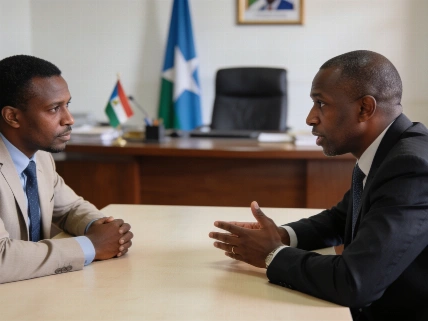
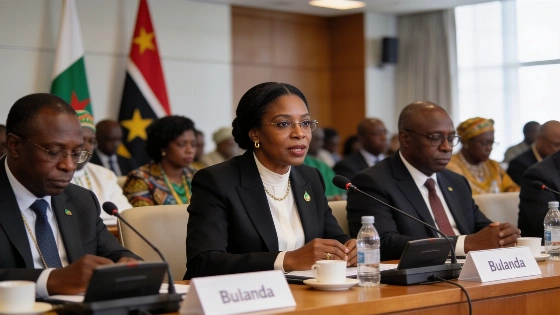
Mauritania's Minister of Defence, Retirees and Children of Martyrs, Hanena Ould Sidi, has emphasised that preventing conflict in Africa requires addressing the continent's deep-rooted structural challenges. Speaking on behalf of President Mohamed Ould Cheikh El Ghazouani at the 21st extraordinary session of the African Union's Conference of Heads of State and Government in Luanda, Ould Sidi identified institutional fragility, poverty, unemployment, weak governance, growing social inequalities, and limited prospects for youth as key drivers of instability.
He argued that building the rule of law, strengthening institutions, promoting justice, and fostering national cohesion are fundamental pillars for consolidating security and peace across Africa. Ould Sidi also stressed that expanding opportunities for young people is critical to reducing the risk of conflict and ensuring sustainable development.
Integrated Security Approach and National Policy
Ould Sidi outlined Mauritania's "integrated security approach," overseen by President Ghazouani, which is based on the principle that sustainable development cannot exist without security, and that security is unattainable where institutional, economic, and social fragility persist. This approach seeks to address both immediate security threats and their underlying causes.
The summit's agenda focused on strengthening mechanisms for conflict prevention and resolution, developing the African Union's political, legal, and financial tools to manage crises, and supporting mediation and peacebuilding efforts. Enhanced coordination between continental and regional mechanisms was also discussed as a means to improve effectiveness.
Regional Solutions and Resource Mobilisation
Participants at the Luanda summit examined ways to reinforce the principle of "African solutions to African problems" and to mobilise the resources needed to support stability and sustainable development. The Mauritanian delegation included the country's ambassadors to Angola and Ethiopia, as well as senior advisers.
Efforts to address structural causes of conflict in Africa are increasingly seen as essential for long-term peace. In a related context, Mauritania's focus on institutional reform and transparent governance has also been highlighted in recent policy discussions, such as the government's reaffirmation of merit-based criteria for public sector appointments following union concerns, as reported in recent coverage of health sector reforms.