MINURSO's mandate expired on Oct. 31 after the Security Council failed to agree on an extension. The outcome is expected to weaken referendum prospects and could spur Polisario Front attacks and legal challenges.
The U.N. Security Council failed to agree on a new mandate after considering a U.S.-drafted plan for a two-stage extension. It would have kept the peacekeeping mission in place until April 30, 2027, then shifted it to a political mission through Oct. 31, 2027.
The United Nations Mission for the Referendum in Western Sahara, known as MINURSO, expired on Oct. 31. The deadlock follows an earlier Security Council account of the dispute over renewing the mission.
On Oct. 30, the U.S.-drafted resolution received 11 votes in favour. Russia cast the lone vote against, while three members abstained, but Russia's veto blocked its adoption. A competing Russian draft seeking a one-year extension without the proposed structural changes also failed: China, Somalia and Russia voted in favour, the United States voted against, and 11 members abstained. Non-procedural Security Council resolutions require at least nine affirmative votes and no veto by a permanent member. The U.N. Council's meeting record sets out the votes and the mission's mandate deadline.
The renewal debate followed Security Council Resolution 2797, which had extended MINURSO's mandate through Oct. 31, 2026. The U.S. proposal sought to shift the mission toward Morocco's 2007 autonomy proposal and rename it the United Nations Mission in Western Sahara. Russia called Washington's approach unilateral. The competing drafts failed to secure agreement before the mandate expired.
Referendum prospects face further pressure
The loss of the mandate is expected to further erode prospects for a referendum on Western Sahara's self-determination and may give momentum to Morocco's sovereignty plans. The proposal for a political mission did not win agreement.
The dispute over Western Sahara, a half-century-old conflict between Morocco and the Polisario Front, has increasingly centered on the autonomy proposal as a possible basis for a political settlement. MINURSO was established within a referendum-oriented framework. The U.S. proposal would have shifted the mission's institutional direction toward negotiations based on Morocco's plan.
Potential security and legal consequences
The assessment accompanying the development says Algeria-backed Polisario Front militants are likely to attack Moroccan forces in the region. It also anticipates further legal challenges against the few European companies operating there.
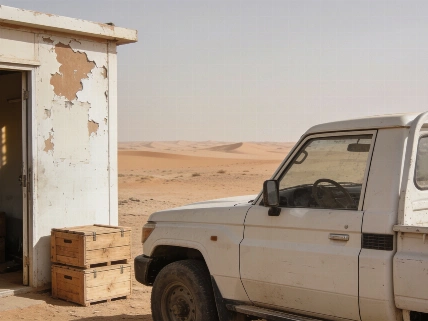
After the mandate expired, Secretary-General António Guterres said the mission had entered a liquidation phase, with its assets set to return to troop-contributing countries. The United Nations said MINURSO's operations had ended, but diplomatic efforts would continue through the Secretary-General's Personal Envoy for Western Sahara, Staffan de Mistura.
Reuters reported that the mission's end followed the Security Council's failure to renew its mandate after approximately 35 years of U.N. operations in the region. The U.N. said work through de Mistura would continue as part of its effort to pursue a peaceful settlement.