

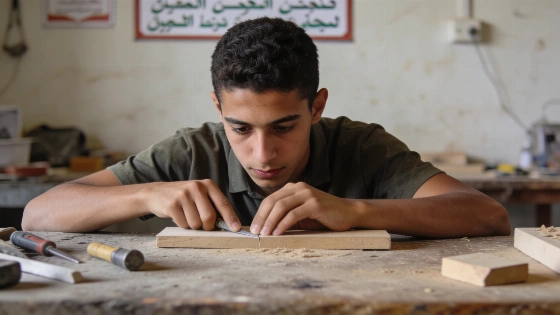
From 2027, the government plans 100,000 training places and 100,000 first-work-experience opportunities each year. The proposals do not guarantee jobs; outcomes will depend on implementation and access.
The government programme estimates that around 2.9 million Moroccans aged 15 to 29 are not in education or employment, and are not in training. The figure was presented by Prime Minister Fatima Ezzahra El Mansouri to Parliament on October 19, as she outlined the 2026-2031 government programme.
The programme also puts youth unemployment among 15- to 24-year-olds at 29.2% and says around 300,000 students leave school each year without a qualification. The two measures describe different age groups and aspects of the challenge. The government's response centres on professional training and apprenticeships. It also aims to provide access to a first work experience.
El Mansouri presented the programme to both chambers of Parliament, setting out youth integration as a central social and economic priority. The House of Councillors scheduled a plenary discussion for October 21 at 11 a.m. The initiatives are planned to begin in 2027 and remain government proposals at this stage.
Two routes into the labour market
From 2027, the government plans to provide professional training to 100,000 young people each year, with courses shaped around business needs. A further 100,000 are expected to receive a first professional experience annually. The targets were outlined in the government programme and in Le Matin's coverage of the announcement.
The combined 200,000 annual opportunities are not a promise of 200,000 permanent jobs. Training or an initial work placement may not lead to long-term employment. The government has also said it intends to launch a national programme of territorial social support for young people, alongside measures to improve the transition from education to work.
Capacity and implementation remain open questions
The programme proposes gradually raising annual apprenticeship capacity to between 150,000 and 200,000 beneficiaries. This is a separate target from the 100,000 annual training places and 100,000 first-work-experience opportunities. The plans sit within the wider government agenda covered in Maghreb Insider's economic targets report.
The youth employment measures also include efforts to connect young people with major infrastructure projects and preparations for the 2030 FIFA World Cup. The programme also includes training for digital professions. It links these initiatives to broader goals around education and social protection, while also seeking greater youth participation. It also includes support for approximately 60,000 businesses.
The announcement does not set out detailed eligibility rules or application procedures for every initiative. It also leaves unanswered whether young people will be paid during their first professional experience and how places will be distributed across regions, including outside the largest cities.
The next test is delivery
The programme's figures describe the scale of youth exclusion and the government's intended annual capacity. In its coverage of the parliamentary presentation, Morocco World News reported the government's youth unemployment and school-leaving figures, as well as its plans to connect young people with major projects. The initiatives are scheduled to start in 2027; their effects will depend on implementation and access.







