A final settlement with UAE-based Trasta ends its partnership with Libya's National Oil Corporation at Ras Lanuf. The agreement transfers full ownership of the refinery and petrochemical complex to the state company.
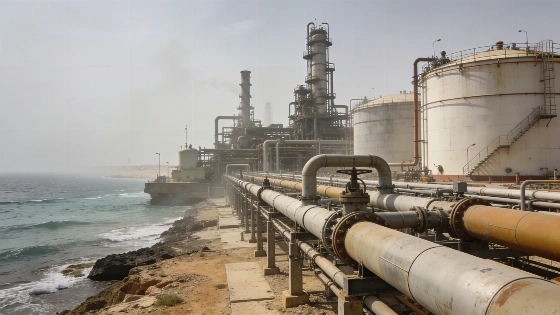
The Ras Lanuf complex sits about 600 kilometers east of Tripoli and can refine approximately 220,000 barrels of oil per day. Its facilities include storage units and export terminals. The refinery had reportedly been idle since 2013, leaving its return to service dependent on rehabilitation and resolution of the ownership dispute.
Libya's state-owned National Oil Corporation (NOC) signed a final agreement with UAE-based Trasta to end their partnership in the Libyan Emirates Oil Refining Company (LERCO). In May 2026, NOC took back Trasta's 50% stake, giving NOC full ownership of the disputed interest, Newsbase reported.
A long-running dispute with political dimensions
LERCO was established to operate and develop Ras Lanuf. Operations were severely disrupted after the 2011 conflict and the collapse of central authority, and the project later became entangled in legal disputes and force majeure declarations. The refinery remained out of operation even after the settlement ended the ownership dispute.
The case was settled through international arbitration. Libyan officials and analysts also linked tensions over the project to the UAE's support for eastern military commander Khalifa Haftar, whose forces have repeatedly challenged the authority of the internationally recognized government in Tripoli. Ras Lanuf lies in the Oil Crescent, an area often under the influence of Haftar-aligned forces.
The refinery dispute comes amid other changes in Libya's energy sector, including Sirte Oil Company's restart of the Brega refinery after years of delays. Ras Lanuf is also part of a wider oil and petrochemical complex: the Ras Lanuf Oil and Gas Manufacturing Company announced its first ethylene export shipment on December 2, 2023. Ethylene production and exports are separate from crude-oil refining, and did not mean that the refinery itself was operating.
Shares set to pass to the NOC
NOC Chairman Masoud Suleman described the settlement as one of the most significant developments in Libya's oil sector since the 2011 uprising. He said it resolved one of the industry's most complicated disputes.
Suleman estimated rehabilitation costs at about $60 million and said the refinery could restart within six to 12 months, initially processing around 200,000 barrels per day, below its nominal 220,000-bpd capacity. The timetable was a target tied to rehabilitation, not a confirmed commissioning date.
Libyan officials said they hoped the agreement would help stabilize production and attract investment to areas affected by conflict and political fragmentation. In January 2026, Libya's five main refineries had combined nominal capacity of roughly 380,000 barrels per day, while estimated actual refining output stood at about 180,000 bpd, according to Erem Business. Ras Lanuf's proposed initial throughput would be close to that reported national output. NOC has also stated a longer-term goal of raising total refining capacity to 660,000 barrels per day.
The ownership transfer places the complex under NOC control. Rehabilitation and recommissioning remain the next steps before the refinery can return to commercial operations.