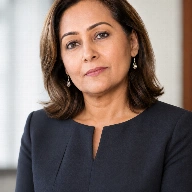
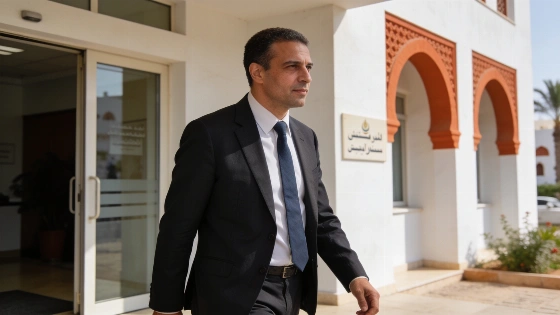
Alexander Kremer is reported to have been appointed World Bank Group Country Manager for Tunisia, succeeding Alexander Arrobbio. Available official search results do not confirm the appointment or announce new financing commitments.
Available official World Bank search results do not confirm a new country manager for Tunisia or give an effective date. The reported appointment would make Alexander Kremer the first Country Manager in the country to represent the International Bank for Reconstruction and Development, or IBRD, the International Finance Corporation, or IFC, and the Multilateral Investment Guarantee Agency, or MIGA.
Kremer is reported to be based in Tunis and to succeed Alexander Arrobbio, who held the post for five years. The arrangement would put public-sector lending, private-sector work and investment guarantees under one country-level representative. It would not, on its own, change the institutions' separate mandates or operations.
The World Bank Group's available research listings show no confirmed new funding totals, guarantees or investment commitments tied to the reported appointment. The material reviewed also does not establish a start date or explain how responsibilities would be divided among IBRD, IFC and MIGA. Treat the reported change as separate from any claims about new financing.
No funding is confirmed.
Kremer is described as having more than 35 years of experience in international cooperation, public policy and economic development. Before this assignment, he served as World Bank Country Manager for Laos. He also held country representative roles in Belarus, Moldova, the Kyrgyz Republic and Turkmenistan, and served as acting Country Director for Ukraine.
His work has covered economic, agricultural, energy and regional development policies in several countries, including Tunisia, Syria and Lebanon. Before joining the World Bank, he held senior positions at the UK Department for International Development and the European Commission. He has a PhD in economics from the University of London, a master's degree with distinction in agricultural economics and a bachelor's degree in economics from the University of Cambridge. He speaks English, French and Russian.
That remains unverified.
The wider policy context includes ongoing World Bank analysis of Tunisia's economy and social conditions. One study uses household income and living-conditions survey data from 2006 to 2023 to examine gender and economic questions. It is not evidence of a new country strategy or a commitment tied to Kremer's reported appointment. The study is available in the World Bank repository.
Tunisia's national news agency TAP and the UN Economic Commission for Africa, or UNECA, are institutional reference points for reporting and analysis on North African development. Their work does not independently verify the personnel change. Tunisia's wider external engagement also includes trade-focused diplomacy. One example is India's ambassadorial appointment.
The reported appointment is an organizational change, not a financial one: one manager would represent three World Bank Group institutions in Tunisia. Any effect on support for inclusive growth, job creation, private-sector development, and economic and social resilience would depend on how the partnership program is designed and delivered. The available material identified no official statements from Kremer, the Tunisian government, IFC, MIGA or other partners confirming priorities or reactions.