
Rolling blackouts during Tunisia's extreme summer heat disrupted hospital care and water supplies. Human Rights Watch says the failures put lives at risk, while disputed death estimates, grid shortfalls and renewed water interruptions raise questions about accountability.
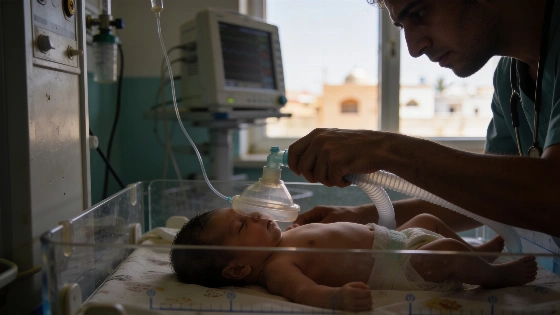
At a Tunis hospital, staff had to ventilate newborns by hand during a blackout. The backup generator powered only intensive care and operating rooms. Human Rights Watch says the outages during extreme summer heat disrupted medical care and water supplies, and that authorities failed to protect people from foreseeable harm.
Doctors and rights groups reported heat-related hospitalizations and deaths, including among detainees. Authorities have not given a transparent account of the impact. President Kais Saied blamed sabotage, and prosecutors opened investigations into electricity company staff. The accounts remain contested. The official public-health figures do not establish the full toll.
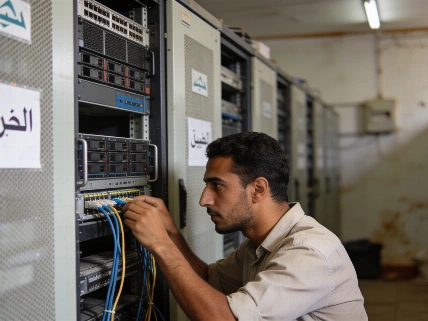
In July 2026, the second-hottest July since 1950, the Tunisian Electricity and Gas Company (STEG) reportedly imposed rotating outages because available capacity could not meet demand. Cuts were concentrated between 1 and 5 p.m., when air-conditioning use rose. Crowdsourced data indicated that some outages lasted as long as 12 hours. A second wave in late August brought cuts of up to two hours at a time across every region.
The grid numbers were stark. La Tribune reported that demand reached about 5,000 megawatts between 2 p.m. and 4 p.m. in mid-July, roughly 30 percent above the usual level. Union representatives later estimated that demand approached 6,000 MW in late July, while STEG had about 4,400 MW of capacity available. That left a shortfall of roughly 1,600 MW. The peak deficit was estimated at as much as 2,000 MW in late August. Engineer Fouad Ali said around 870 MW of additional capacity had still not been connected by the end of the summer, according to Business News.
At one of Tunis's largest hospitals, a doctor told Human Rights Watch the generator could not keep most of the building running. The emergency department had no backup power or contingency plan. When electronic medical records stopped working, staff could not register arriving patients. Post-operative patients lost ventilation or air conditioning during outages.
The cuts reached beyond the hospital. Power failures disrupted pumping stations, and tap water became intermittent in many areas. The Tunisian Water Observatory recorded 361 cuts to potable-water distribution in August. Bottled-water shortages also hit a population that relies heavily on it for drinking. The National Authority for Food Safety said tap water was safe. Reports of cloudy or yellowed water and changes in taste and odour still fed public concern.
Water interruptions remained a concern after the summer outages. Tunisia's national water utility, SONEDE, announced cuts of up to 36 hours in several areas from 1 a.m. on October 6. Gradual restoration was expected from 1 p.m. on October 7, and the utility said it would provide water tankers for residents. The SONEDE website carries the utility's public service information.
The Tunisian Young Doctors Association estimated on July 22 that 150 to 200 people had died in the preceding days from heatstroke or medical-equipment failures affecting patients dependent on electricity. On August 28, it described an "unprecedented" rise in heat-related deaths and hospitalizations, including among detainees. Local media reported five deaths after respirators in victims' homes stopped working. These are estimates from the association and media, not a confirmed official death toll.
On August 29, the Health Ministry reported 633 heat-related medical cases in public hospitals. It did not say how many people had died and denied disruption to health services. The figures conflict. The gap between the ministry's account and reports from doctors and rights groups makes the lack of transparent, comprehensive data consequential. In prisons and detention sites, the Tunisian League for Human Rights documented 20 deaths amid heat and water and power outages. Five detainees at Mornaguia prison reportedly died on August 28.
Earlier coverage of the heat and infrastructure strain appeared in a summer heat report. The crisis has since shown how electricity shortfalls can disrupt hospitals, water delivery and conditions in detention.
The General Secretary of the General Federation of Electricity and Gas said STEG had warned its supervising ministry in 2024 about the risk of shortfalls and the need for more generating capacity. A 2026 report by the Tunisian Economy Observatory found that STEG's investment in electricity generation had fallen by 87 percent over five years. Authorities have provided no evidence for the sabotage claim. The shortfall and the delayed connection of added capacity point to planning problems as well as unusually high demand during the heat.
On August 26, Saied said outages in several regions were "deliberately planned acts of sabotage" intended to inflame tensions and deprive citizens of services. In late July, prosecutors across the country opened investigations into STEG managers and employees. The government has not published transparent information about the effects of the outages.
Protest figures show the public anger. The Tunisian Social Observatory of the Tunisian Forum for Economic and Social Rights recorded 1,101 protest actions in July and 1,093 in August across all 24 governorates. Those were the highest July and August totals in years. After an August 13 protest over water in Borj Erras, authorities arrested 12 people, including nine children, on suspicion of conspiring against state security. They were released the next day.
On August 20, the grassroots movement Nafas demonstrated in Tunis with the slogan "No water, no electricity, no freedom." The next day, authorities arrested Nafas member and political activist Seifeddine Arfaoui at home. On August 31, a Tunis court sentenced him to 18 months in prison under article 86 of the Telecommunications Code for a Facebook post about slogans chanted at the protest.
Tunisia's Constitution requires equal access to drinking water. International and African human-rights frameworks also protect health and peaceful assembly. Known warnings about capacity came before blackouts that disrupted emergency care and water pumping. That is a failure of public protection, not just a technical problem. Authorities should disclose the human toll, account for grid planning and keep essential services running, including in detention. Prosecuting protesters cannot replace that accountability.