
Kais Saied
14 articles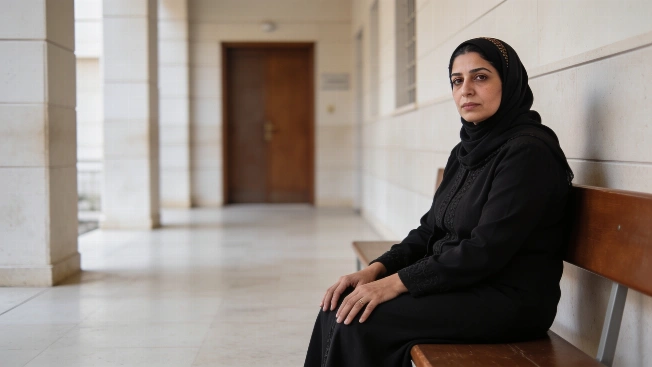
Tunisia's Military Courts Put Civilian Speech on Trial
Olfa Hamdi's four-year sentence and fines totaling 80,000 Tunisian dinars have renewed scrutiny of military prosecutions of civilians in Tunisia over political speech and legal work.
Saied Calls for Procurement Law Review in Tunisia
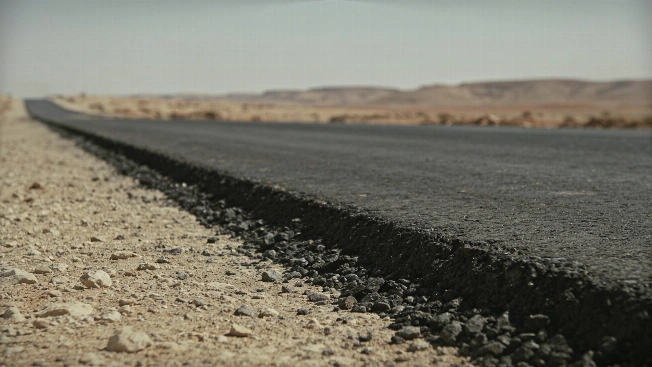
Kais Saied says Tunisia's procurement rules no longer meet project deadlines or curb abuses, as he reviews unfinished roads and defects and discusses a bridge link between Djerba and the mainland.
Saied's foreign policy narrows Tunisia's regional influence
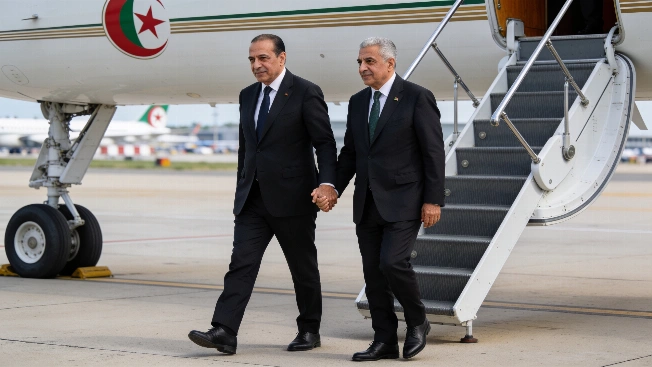
Saied's partnerships with Algeria and Iran have narrowed Tunisia's diplomatic room as vacant posts and conflicting policies strain ties across the Maghreb and Africa. Trade figures and migration policy show the costs.
Tunisian Protests Put Police Conduct and State Pressure in Focus
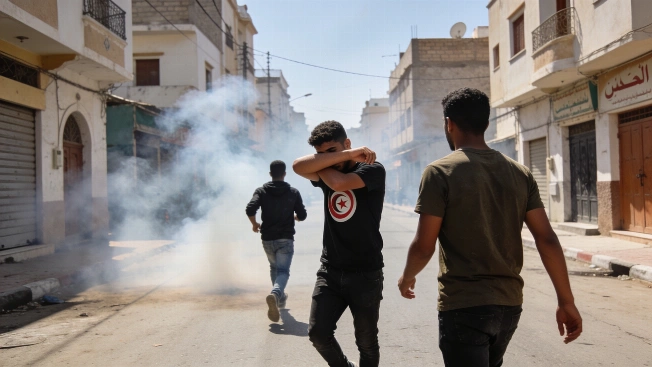
Police used tear gas after deaths linked to security actions sparked protests in several Tunisian cities. In Sfax, students blamed delayed ambulance care for a female student's death as unrest unfolds amid a wider national crisis.
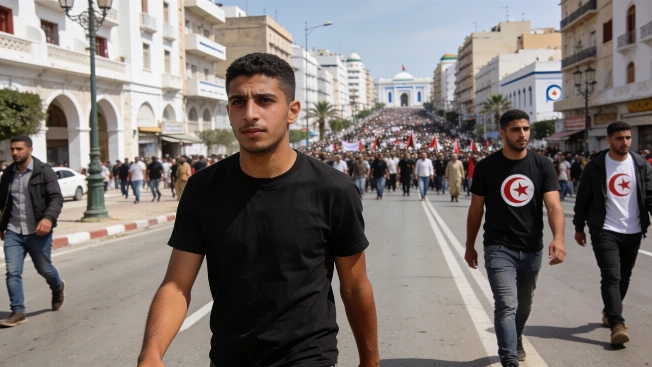
Thousands Challenge Saied in Tunisia's Biggest Protest in Years
The UGTT and civil society groups led marchers into central Tunis, where protesters demanded the release of critics. They also pointed to worsening services and economic strain after Saied expanded executive power in 2021 and 2022.
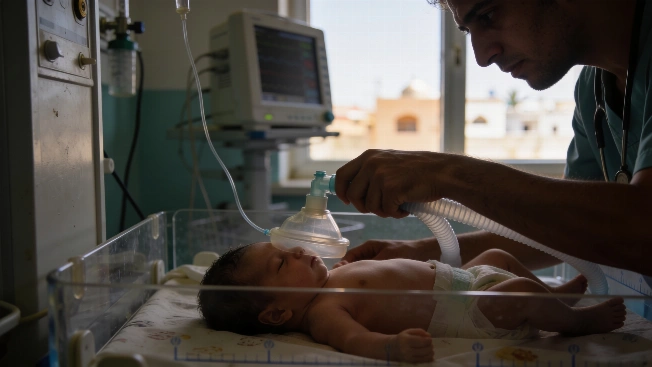
Tunisia's Blackouts Turn Heat Into a Public Health Crisis
Rolling blackouts during Tunisia's extreme summer heat disrupted hospital care and water supplies. Human Rights Watch says the failures put lives at risk, while disputed death estimates, grid shortfalls and renewed water interruptions have raised questions about accountability.
Tunisia cuts first-offence prison penalty under cybercrime law
An amendment that took effect on 30 September replaces prison with fines for first offences under Article 24 of Tunisia's cybercrime decree. Repeat offences can still bring jail time, and rights groups say wider press-freedom concerns remain.
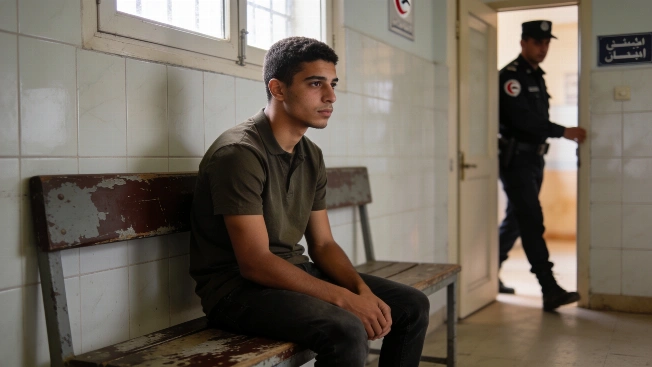
Tunisia's phone searches turn cybercrime law into a tool against dissent
Police have used seized phones and private data in cases involving activists, journalists and political opponents under Tunisia's Decree-Law No. 54. A September 2026 amendment replaced prison with fines for a first Article 24 offence, but repeat offenders still face jail and the law's data-access rules remain unchanged.
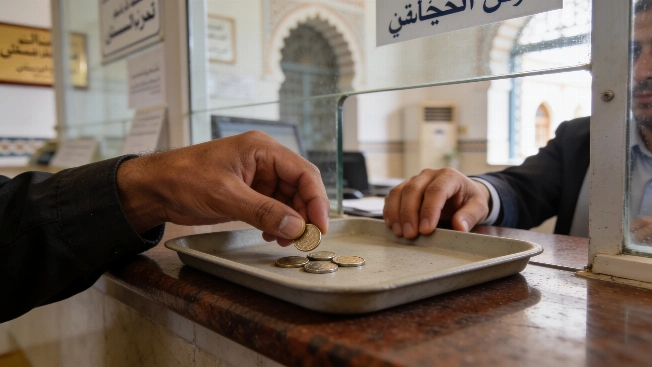
Tunisia replaces jail terms with fines for first false-news offences
A September 2026 amendment to Tunisia's cybercrime law sets fines of 10,000 to 20,000 dinars for a first covered offence. Repeat violations can still bring prison time and a much higher fine.
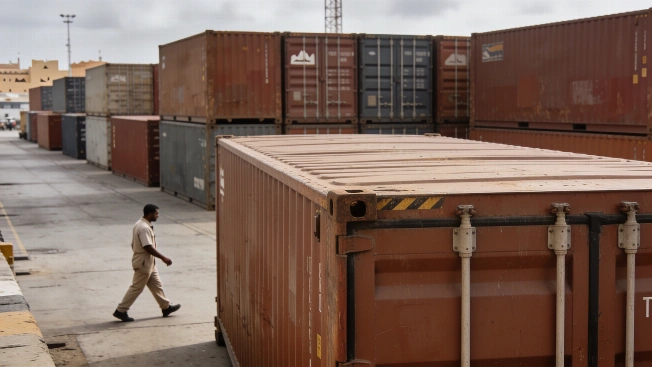
Tunisia Risks Shortages With New Import Curbs
Kais Saied's order to curb imports comes as Tunisia's trade and energy deficits deepen. Without stronger domestic production, restrictions could push scarcity into informal markets instead of easing the country's dependence on imports.
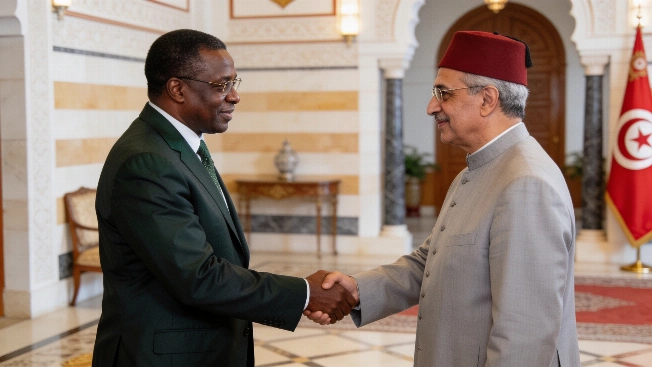
Nigeria's Ambassadors Present Credentials in Three Capitals
Nigerian envoys presented credentials in Greece, Tunisia and Belgium in September 2026. Talks in Tunis covered trade, investment and cooperation across several sectors, while a proposed drone facility in Bauchi State remained an idea, not an agreed project.
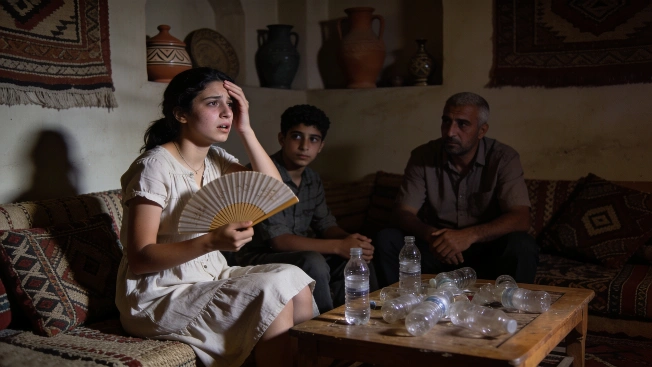
Tunisia faces blackout and water crisis as state capacity unravels
Tunisia's summer brought rolling blackouts and water shortages, exposing the government's inability to maintain impressive services amid record heat and mounting debt, as the population loses faith in President Kais Saied's leadership.
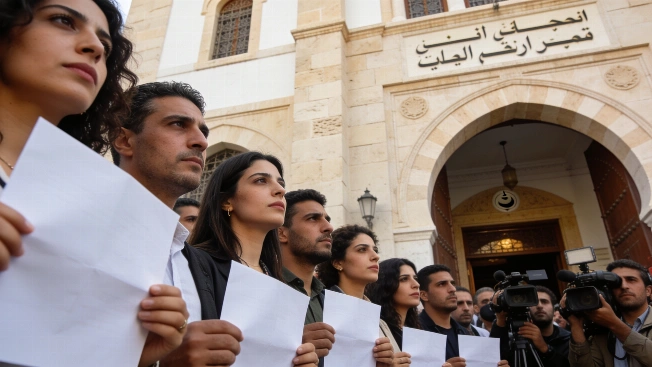
Tunisian journalists rally as Mohamed Yousfi faces charges over critical reporting
The arrest of Mohamed Yousfi, editor of Al-Qatiba, has sparked protests in Tunis and drawn condemnation from rights groups. Journalists warn that fabricated charges are being used to silence critical reporting under President Kais Saied.
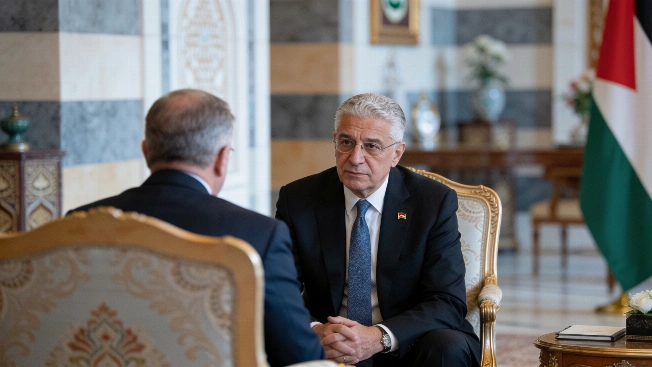
Tunisia and Germany Seek Reset on Economic and Education Ties
President Kais Saied used a high-profile meeting with German Foreign Minister Johann Wadephul to demand a fundamental overhaul of Tunisia's economic relationship with Europe, calling for fairer agreements and a shift from debt towards investment.