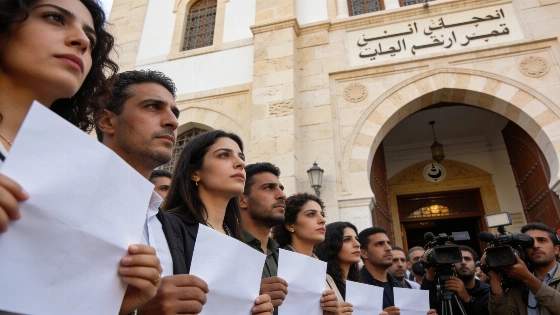
The arrest of Mohamed Yousfi, editor of Al-Qatiba, has triggered protests in Tunis and drawn condemnation from rights groups, as journalists warn that fabricated charges are being used to silence critical reporting under President Kais Saied.
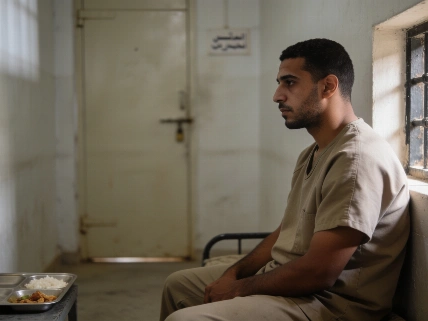
Mohamed Yousfi, editor of the investigative website Al-Qatiba, now finds himself at the center of a battle over press freedom in Tunisia. His arrest on charges of illicit enrichment and money laundering has ignited protests outside the courthouse and sent a clear warning to journalists who challenge the government's narrative.
Yousfi's detention came just as he was scheduled to appear on Express FM radio, a move widely interpreted by media unions and rights groups as a calculated attempt to intimidate the press. Human rights organizations have condemned the case, arguing that the charges are a pretext to punish Yousfi for his outspoken criticism of President Kais Saied and his administration.
Escalating legal pressure on the media
According to Zied Dabbar, head of the SNJT journalists' union, the Tunisian authorities have shifted from rhetorical attacks to direct legal action against journalists who refuse to toe the line. "Journalists who trouble the authorities face legal persecution and fabricated charges," Dabbar told Reuters. The union points to a growing list of media figures targeted this year, including Zied Heni, Mourad Zghidi, and Borhen Bsaies, all of whom have been imprisoned. In June, Khaoula Boukrim was sentenced in absentia to four years in prison.
President Kais Saied insists that freedoms remain guaranteed and denies any intention to become a dictator. Yet, the pattern of arrests and prosecutions tells a different story. Since Saied's 2021 power grab, which saw him dissolve parliament and rule by decree, the legal environment for journalists and opposition figures has deteriorated sharply. The government's use of conspiracy, money laundering, and corruption charges against critics has become routine, with dozens of politicians, activists, and businesspeople also swept up in the crackdown.
From post-revolution openness to renewed repression
The current wave of repression marks a stark reversal from the years following Tunisia's 2011 uprising, when freedom of speech flourished and the country was hailed as a rare Arab Spring success. Today, the climate for independent journalism is increasingly hostile. The authorities' willingness to jail prominent media voices signals a deliberate strategy to instill fear and discourage investigative reporting.
Regional observers have noted similar tactics elsewhere, as documented in a reported earlier case involving Algeria's crackdown on dissent. The Tunisian government's approach now mirrors these regional trends, raising concerns about the future of democratic safeguards in North Africa.
Editorial verdict
The arrest of Mohamed Yousfi is not an isolated incident but part of a systematic campaign to silence critical journalism in Tunisia. The government's reliance on fabricated charges and legal harassment exposes the hollowness of official claims about protecting freedoms. As more journalists face exile or prison, the cost of independent reporting rises-and so does the risk that Tunisia's fragile democratic gains will be lost. The message from the authorities is unmistakable: challenge the system, and you will pay the price. For those invested in the region's future, this is a moment to recognize the stakes and demand accountability before the last vestiges of press freedom are extinguished.