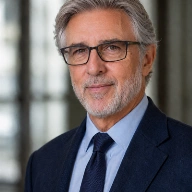
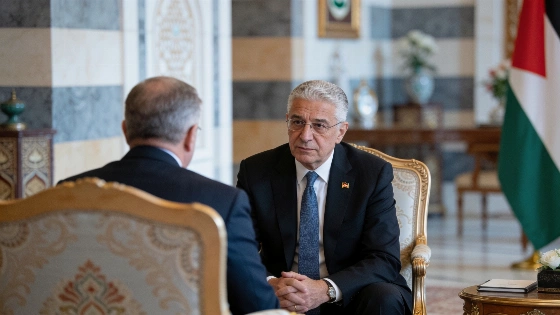
President Kais Saied used a high-profile meeting with German Foreign Minister Johann Wadephul to demand a fundamental overhaul of Tunisia's economic relationship with Europe, calling for fairer agreements and a shift from debt to investment.
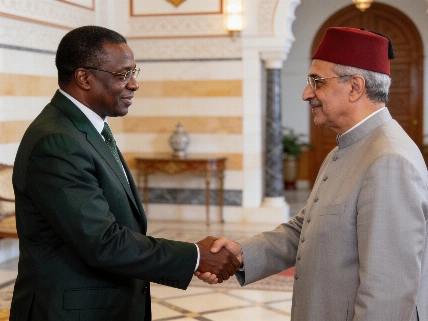
President Kais Saied did not mince words as he pressed for a new deal with Europe, telling German Foreign Minister Johann Wadephul that Tunisia's people have paid the price for lopsided agreements and misdirected loans. The meeting at Carthage Palace was less a diplomatic formality than a direct challenge to the status quo of North Africa's relationship with its most powerful European partners.
Saied's central demand: a comprehensive review of the Association Agreement between Tunisia and the European Union, which he described as unbalanced and overdue for reform. He argued that previous financial arrangements-especially loans-have failed to deliver tangible benefits to ordinary Tunisians, with funds often diverted and the burden falling squarely on the public. "The Tunisian people had not benefited from them, or that much of the funds had been diverted from their intended purposes," Saied stated, underscoring his frustration with the legacy of international development finance.
Strategic Sectors in Focus: Education, Energy, and Innovation
Beyond the headline demand for a new economic framework, Saied and Wadephul zeroed in on sectors where bilateral cooperation could be deepened. Higher education, scientific research, vocational training, energy, and technological innovation all featured prominently in the talks. Saied made clear that Tunisia is seeking not just aid, but genuine partnership-especially in areas that can drive long-term growth and skills development.
Wadephul, representing both Germany and the European Union, responded by reaffirming Germany's commitment to Tunisia as a "friend and reliable partner." He highlighted Germany's role as a key market for Tunisian exports and pointed to the growing presence of German companies in the country. The German Foreign Minister also welcomed new agreements signed during his visit, particularly in vocational training, energy transition, water management, and digitalisation-areas where German expertise and investment could have immediate impact.
Seventy Years of Diplomatic Relations-But for Whose Benefit?
The timing of Wadephul's visit was not lost on either side: it coincided with the 70th anniversary of diplomatic relations between Tunisia and Germany. Both officials referenced the "long-standing friendship" and "mutual trust" built over decades. Yet Saied's insistence on renegotiating the terms of engagement made clear that history alone is not enough. The President's remarks about the need for "new visions based on new thinking" signaled a desire to move beyond ceremonial anniversaries toward substantive change.
Wadephul, for his part, stressed the importance of human and social ties, noting that the Tunisian diaspora in Germany acts as a bridge between the two countries. He praised the contribution of highly skilled Tunisian professionals to German society and economy, and pointed to expanding academic exchanges as a sign of deepening cooperation. But the underlying message from Tunis was unmistakable: goodwill and symbolic gestures must now translate into concrete, equitable outcomes.
Regional Stakes and the Path Forward
With Tunisia facing persistent economic pressures and a shifting regional landscape, the stakes of this diplomatic reset are high. The country's leadership is openly questioning the value of legacy agreements with Europe and demanding a new model that prioritizes investment over debt. For Germany and the EU, the challenge will be to respond with more than rhetoric-especially as Tunisia's stability and prosperity remain critical to the wider Mediterranean region.
Saied's intervention marks a turning point in how North African states are willing to engage with European partners. The era of passive acceptance of one-sided deals is over. If Germany and the EU want to remain "reliable partners," they will need to deliver on the promise of fairer, more balanced cooperation-starting with the very agreements that have defined the relationship for decades.