
Tunisia's summer of 2026 broke every heat record on the books. Temperatures ran nearly 3°C above old highs. Power and water cuts hit hard, exposing deep cracks in the country's infrastructure and piling pressure on officials.
Ten-hour blackouts. Dry taps. Nights so hot people couldn't sleep. Tunisia's summer of 2026 pushed the country to its limits. The National Meteorological Institute confirmed it was the hottest summer since records began in 1950. Average temperatures ran 2.9°C higher than the previous record. The country's infrastructure buckled under the strain. These figures came from the Tunis Afrique Presse (TAP) agency and were backed up by the National Institute of Meteorology.
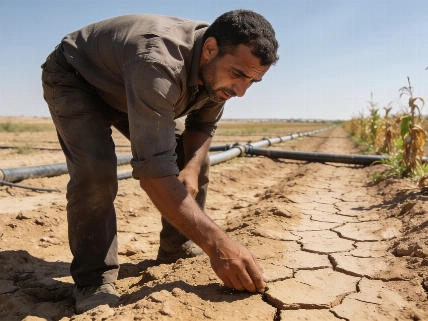
Kairouan saw the worst of it. In July, the temperature hit 49.7°C. Beja and Tozeur also topped 48°C. The heatwaves didn't let up at night. People got no break. Water shortages and rolling power cuts made things worse. The same pattern played out across the Maghreb. Algeria's APS news agency reported similar heat stress in border areas, showing this was a regional crisis, not just a Tunisian one.
Infrastructure under extreme pressure
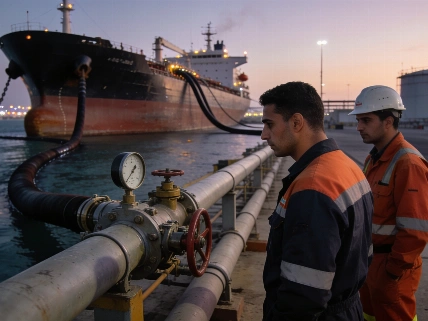
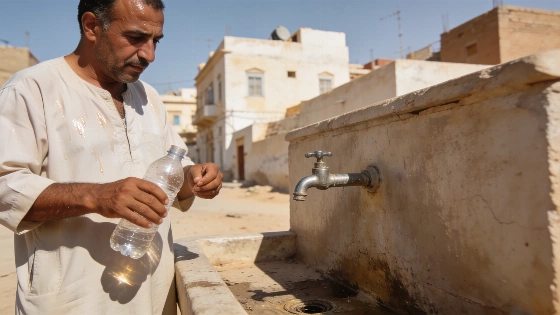
Electricity outages sometimes lasted more than ten hours. Even the capital was hit. The state-run STEG called it load shedding to keep the grid from failing. President Kais Saied rejected the idea that these were just technical problems. He spoke of "criminal plans" and "attempts at provocation," according to regional media and a statement from the Presidency. Whatever the cause, the fallout was immediate. Water supply, which depends on electric pumps, broke down when the power went out. Bottled water quickly ran short. The Ministry of Agriculture and Water Resources said more than 60% of Tunisia's drinking water relies on electric systems. When demand peaked, the system couldn't keep up.
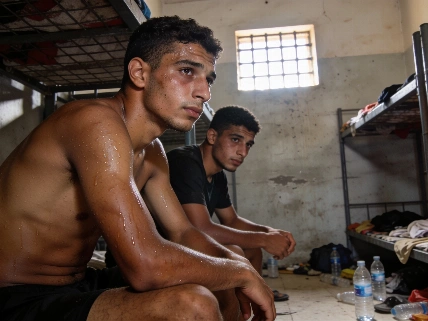
Hospitals, prisons, and homes all felt the pressure. The Tunisian League for Human Rights (LTDH) counted 23 deaths in prisons. They blamed harsh conditions made worse by heat and overcrowding. A group of young doctors reported more deaths linked to the heatwaves, but there are no official health numbers yet. The Ministry of Health has not released full data. The World Health Organization's regional office warned that extreme heat in North Africa raises the risk of death.
Climate change and mounting social risk
Tunisia is used to hot summers, but the National Meteorological Institute called 2026's heatwaves "intense and prolonged." Scientists pointed to climate change as the main driver. Water and power shortages made public anger worse. People's frustration grew on top of existing social problems. Recent protests showed how environmental stress now mixes with demands for jobs and dignity. The African Union's North Africa Bureau called for stronger regional cooperation on climate adaptation. The Tunisian government said it plans to seek technical help from the United Nations Economic Commission for Africa (UNECA) to shore up key sectors.
This record-breaking summer exposed how fragile Tunisia's basic services really are. It showed the limits of crisis management. As climate swings get worse, Tunisia's ability to protect its people and keep the lights on will shape its social and political future. The events of 2026 make it clear: climate risk is no longer a distant worry. It's here, and it's growing.