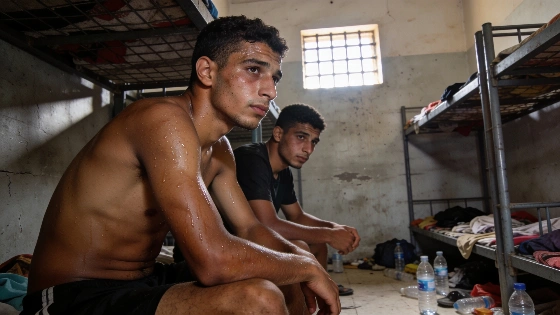
Tunisia's parliament and top rights groups are demanding answers after 23 prisoners died during a brutal heatwave. Overcrowded cells, poor ventilation, and blocked oversight have sparked warnings of a human rights crisis in the country's jails.
Twenty-three prisoners died in Tunisia's prisons during a record-breaking heatwave, according to the Tunisian League for the Defense of Human Rights (LTDH). The deaths happened as the country endured its hottest summer ever. This has put a harsh spotlight on the packed cells and stifling air inside Tunisia's jails. The Ministry of Justice has not released official numbers or details, even though civil society groups and parliament have repeatedly called for transparency. According to RTL Today / AFP, the official statistics remain hidden.
The Rights and Freedoms Committee in Tunisia's parliament says the situation in the prisons is inhumane. The committee says it has been blocked from visiting the facilities. It blames the authorities in charge of detention for refusing to cooperate. This, the committee argues, stops it from doing its job of checking legal and human rights protections for people in custody. The Tunis Afrique Presse (TAP) agency has reported on the committee's push for urgent, open investigations into the deaths and for the government to publish the facts about what happened.
Escalating health risks and hunger strikes
Health risks in Tunisia's prisons have reached a breaking point. The heat, along with constant shortages of water and fresh air, has made things worse. The committee pointed to the case of Wael Naouar, a prisoner in Mornaguia, whose health has gotten worse after more than 30 days on hunger strike. LTDH and local media say several other prisoners tied to the Soumoud flotilla case are also in bad shape. Their families and lawyers are calling for urgent medical help to protect their lives. Business News Tunisia has covered these calls. The committee warns that without proper healthcare and with the extreme heat, hunger strikers and other inmates face deadly risks.
Prison officials deny the problems, but field reports keep showing severe shortages of water and ventilation. The head of LTDH says the conditions are "inhumane even under normal circumstances." Rights groups and independent observers say temperatures inside some cells have hit 45 degrees Celsius. The Ministry of Health has not confirmed this number, but it is widely reported. The crisis is made worse by Tunisia's failing infrastructure. Power and water cuts hit not just prisons, but also hospitals and poor neighborhoods, as reported by Middle East Eye and regional news agencies.
Parliamentary oversight and civil society backlash
The Rights and Freedoms Committee says checking on prisons is its constitutional duty, not interference. The committee wants open investigations into the deaths, public release of the facts, and clear legal responsibility to stop more deaths. The Tunisian General Labor Union (UGTT), the National Bar Association, and LTDH have issued a joint statement. They demand the immediate release of all people jailed for recent civil and political actions. They warn that using police and courts to control protests or limit civil work will destroy trust in the courts' independence. The UN Economic Commission for Africa (UNECA) has raised the same concern in its human rights reviews.
In recent weeks, police have arrested activists at peaceful marches like the 'Fleet of Steadfastness' protest. The committee has condemned these arrests and the prosecution of people demanding jobs. It says peaceful protest is a constitutional right. In the 'Fleet of Steadfastness' case, 13 people are still in jail. Lawyers say they were not told the charges until after the arrests. Rights groups say this breaks due process. The Tunisian Press Agency (TAP) has reported on the growing calls for open courts and protection of civil rights after these events.
Systemic failures and calls for reform
Overcrowding, poor air, and not enough water have plagued Tunisia's prisons for years. International and local groups, including the African Union's human rights bodies, have criticized the authorities for not fixing these problems. The recent deaths have brought the crisis to a head. The Rights and Freedoms Committee and civil society groups are united in demanding real reform so that prison conditions meet basic human standards.
The country is now waiting for a response from the Ministry of Justice and the General Directorate of Prisons. Tunisia's political and legal leaders face a test of credibility. If they do not allow open investigations and let parliament do its job, public trust will fall even further. Tunisia could become even more isolated from international human rights standards. This crisis is not new. It follows a pattern of rising social and political tension, as reported earlier, where calls for dignity and rights are met with crackdowns instead of change.
With 23 prisoner deaths now confirmed by the country's main human rights group, Tunisia's leaders can no longer claim they do not know or deny the scale of the problem. The facts point to a system that needs urgent change. Blocking independent oversight only deepens suspicion of neglect. If the government does not act, Tunisia risks locking itself into a cycle of abuse and impunity that will haunt its justice system for years.