
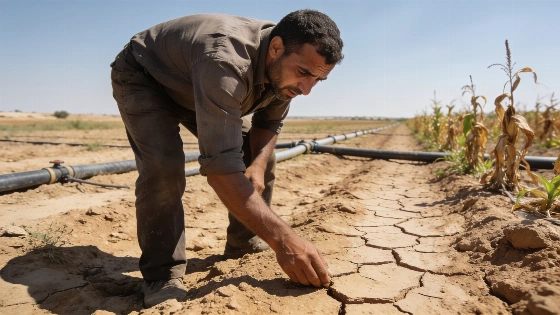
Tunisia could lose 6.4% of its economy and nearly a third of farm jobs by 2050 if water shortages are not fixed, the World Bank warns. The call for urgent action puts the spotlight on investment and reform to protect jobs and growth.
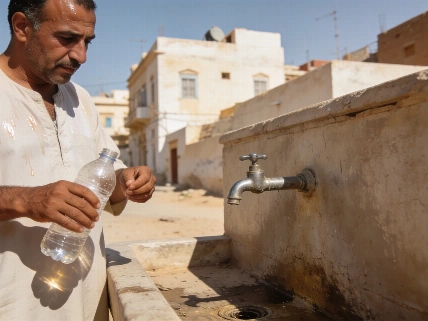
Water shortages are no longer a distant worry for Tunisia. They are now hitting the economy head-on. The World Bank has issued a clear warning: if Tunisia does not act fast, it could lose 6.4% of its economic output by 2050. The country's farms face even steeper losses, with almost one in three agricultural jobs at risk. This is not just a forecast. It is the direct result of shrinking freshwater supplies and growing climate pressure, as shown in Tunis Afrique Presse reports and regional economic data.
Growth slows as water shortages bite
Tunisia's economy is already slowing down. GDP grew by only 2.7% in 2025 and slipped to 2.4% in the first half of 2026. The World Bank's latest Tunisia Economic Monitor, called Tunisia's Water Challenge: From Scarcity to Resilience, says water management now shapes the country's economic health, jobs, and daily life. Sectors like agriculture, tourism, and the mechanical and electrical industries have helped keep things afloat, but the outlook is shaky. Growth is expected to slow further, averaging just 2.1% in 2027 and 2028. The African Union's North Africa Economic Outlook puts Tunisia's water stress among the worst in the Maghreb. Each person has access to only 380 cubic metres of renewable freshwater per year. That is far below the global line for absolute scarcity.
Jobs and rural life under threat
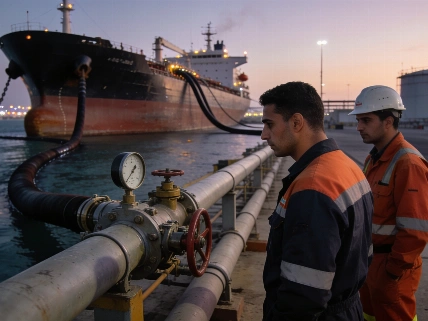
The biggest risk falls on rural workers. Agriculture employs 14% of Tunisia's workforce and up to half of all rural workers. With only 380 cubic metres of renewable freshwater per person each year, farming is exposed. The World Bank says at least 30% of farm jobs could vanish by 2050 if nothing changes. The pain would spread beyond farms. Tourism, food processing, manufacturing, and other water-reliant industries would also feel the pressure. The Algerian Press Service has reported similar threats to rural life in Algeria, showing this is a regional problem across North Africa.
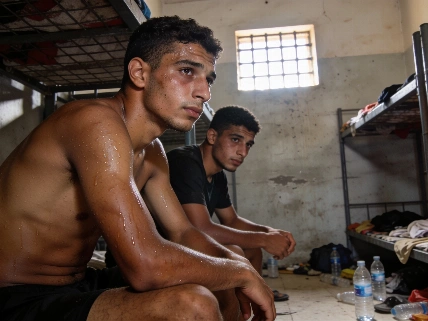
Unemployment has dropped to 14.9% by the second quarter of 2026, but women still face a high rate of 21.6%. Water shortages could make these gaps worse, especially in rural areas where other jobs are hard to find. This warning matches what recent reports have said about Tunisia's social and economic strains.
What needs to change
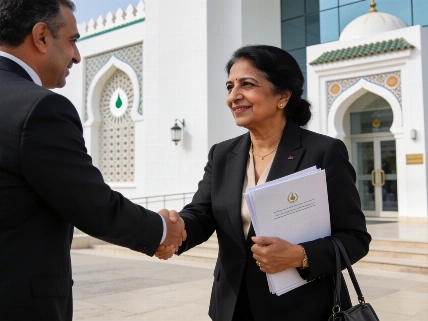
The World Bank is supporting the RESEau programme, which aims to create 4,000 permanent and 13,400 temporary jobs in its first phase. Tunisia's Plan Eau 2050 calls for $900 million in yearly investment through 2050. But building new infrastructure is not enough. The World Bank says money must go hand in hand with better management, stable funding, and stronger service providers. The main steps include updating the Water Code, setting clear rules for reusing treated wastewater, cutting water losses in the network, using more digital tools, and improving irrigation. Cost recovery needs to get better, but not by hurting the poorest households. The Ministry of Agriculture, Water Resources and Fisheries has set out these goals in its Plan Eau 2050 strategy, stressing the need for regional teamwork and building resilience.
With climate change and rising demand making things tighter, Tunisia's time to act is running out. Leaders must choose: overhaul water policy and investment now, or face a future with less output, fewer jobs, and lower living standards. The facts are clear. The cost of doing nothing will show up not just in lost GDP, but in the lives of millions. Regional groups like the UN Economic Commission for Africa warn that without urgent reforms, the whole Maghreb could face similar economic and social shocks from water shortages.