
By end-August 2026, Tunisia's current-account deficit had climbed to TND 4.694 billion, up 72% year on year. Energy imports rose 28.5%, while import cover fell to 92 days.
From January to August, imports grew faster than exports, widening Tunisia's goods-trade deficit to TND 17.8538 billion.
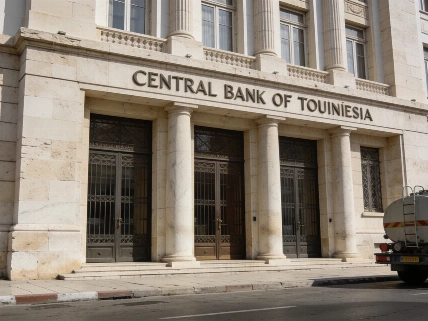
The Central Bank of Tunisia, or BCT, reported a current-account deficit of TND 4.694 billion by the end of August, equal to 2.5% of GDP. That was nearly TND 2 billion more than the TND 2.724 billion recorded a year earlier.
Goods exports reached TND 44.6716 billion during the first eight months of 2026, while imports hit TND 62.5254 billion. The resulting trade deficit compared with TND 14.639 billion a year earlier. Imports rose 11.6% year on year, outpacing the 8% increase in exports.
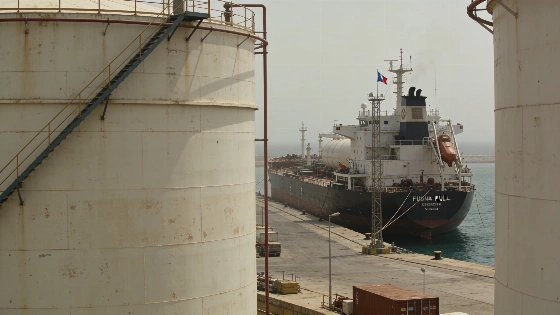
Energy made up about half of the goods-trade shortfall. Its trade deficit reached TND 8.9302 billion, up from TND 7.148 billion in the same period of 2025, as energy imports rose 28.5%. The figures show the size of the increase, but do not separate price changes from shifts in import volumes.
The non-energy balance also ran a deficit, reaching TND 8.9237 billion. A food-trade surplus of TND 983.1 million could not cover the shortfall in raw materials and semi-finished goods. Investment goods and consumer goods also added to the deficit. Figures reported by Webmanagercenter point to broad import pressure, not an energy-only imbalance.
On October 7, the BCT's board kept its key rate at 7%. The central bank identified rising global energy prices as a factor putting pressure on Tunisia's external balances. Monetary policy held steady as the cost of external adjustment rose. The central bank's official website provides institutional information.
Foreign-exchange reserves offer another measure of the strain. Part of the energy bill is paid in dollars, so a stronger dollar can raise its cost in dinars, all else equal. The BCT faces a tighter external environment as the country manages its financing needs and works to withstand energy-market and currency movements. The Tunisian figures do not support a direct comparison with other countries. Earlier blackout reporting also examined Tunisia's exposure to imported energy.
The trade breakdown shows that lower energy costs alone would not erase the non-energy merchandise deficit. On October 2, net reserves stood at TND 23.6 billion, equivalent to 92 days of imports, compared with TND 24.2 billion and 104 days a year earlier. The reserve stock had fallen by TND 600 million, and import cover was down 12 days.