
The Central Bank of Tunisia held its key rate at 7% on October 7. September inflation hit 5.6%, while energy import costs rose about 28% and the current-account deficit reached 2.5% of GDP.
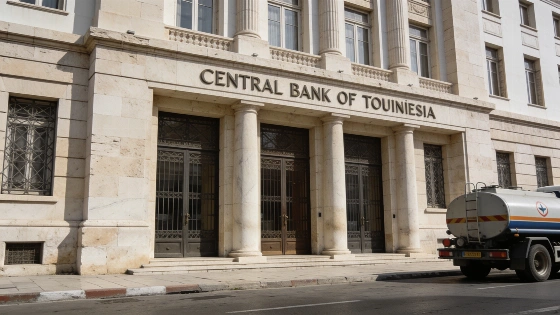
Tunisia's current-account deficit widened to TND 4.694 billion in the first eight months of 2026 as higher energy imports added pressure to the external balance. On October 7, the Central Bank of Tunisia, or BCT, kept its key interest rate at 7.00%, leaving borrowing costs unchanged amid inflation risks and rising external costs.
Food inflation quickened as energy imports became more expensive. The external deficit also widened.
The BCT said inflation risks were tilted to the upside. It will keep monitoring prices and demand, as well as bank liquidity and external imbalances.
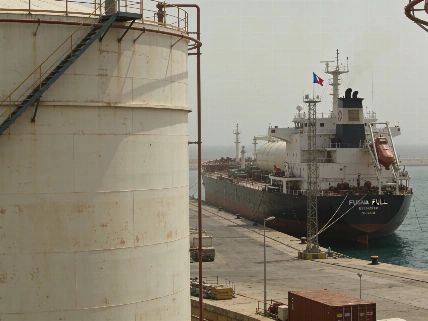
Energy imports reached TND 11.3 billion from January through August 2026, up from TND 8.8 billion a year earlier, an increase of about 28%. The current-account deficit reached 2.5% of GDP over the same period, compared with 1.6% in 2025, when the shortfall was TND 2.724 billion. The current-account measure captures the broader external balance, rather than the goods trade balance alone.
At the board meeting, international energy prices stood significantly above the assumptions in the BCT's June outlook. Uncertainty over restoring supply conditions remained high. Higher energy costs can feed into production and distribution expenses, adding to price pressures even when domestic demand is subdued.
Inflation rose to 5.6% in September from 5.4% in August. Fresh food prices were a major driver, climbing 13.0% year on year after an 11.7% increase the previous month. Tunisia's National Institute of Statistics, or INS, also reported September inflation at 5.6%. Its measure of core inflation, which excludes food and energy, was 4.9%, according to the INS price index.
The INS core measure of 4.9% is not directly comparable with the 5.1% figure cited in reporting on the BCT meeting. The measures use different exclusions: the latter excludes fresh food and administered-price products, while the INS figure excludes food and energy. That distinction matters when judging whether underlying price momentum is easing or remains persistent.
The BCT noted that central banks in advanced economies had tightened policy as energy-price pressures passed through to consumer prices, delaying a return toward inflation targets. Tunisia's outlook also depends on demand and the recovery of production capacity. Fiscal and external pressures remain difficult to contain.
That leaves the BCT with a costly trade-off. A higher rate could restrain demand and price-setting, but would raise borrowing costs for households and businesses.
The central bank warned that a prolonged stretch of high energy prices could narrow the economy's room for manoeuvre and deepen its macroeconomic and financial vulnerabilities. Pressure on investment and fiscal capacity also features in earlier investment analysis.
The BCT did not announce an immediate change in monetary policy. It said it remained ready to take necessary measures to contain price pressures and bring inflation sustainably back to acceptable levels. The bank will monitor prices and demand, along with liquidity in the banking system and external balances.
Future rate decisions must weigh price stability against the cost of tighter credit in an economy exposed to expensive energy and limited policy room. In reports following the October 7 decision, no subsequent rate change or official revision of the cited figures had been confirmed.