Road closures around Taiz have cut essential care for nearly 250,000 people, while funding gaps are forcing Afghan health centres to scale back. The UN is also liquidating MINURSO after its mandate was not renewed.
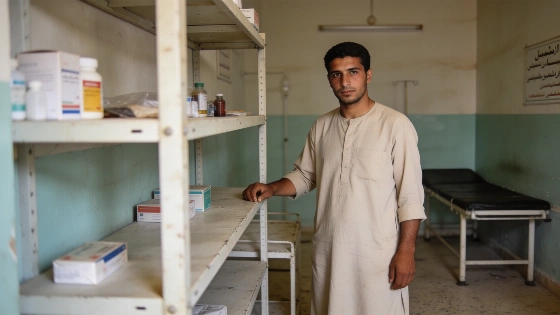
OCHA says 12 hospitals in Taiz are at risk of shutting or have reduced services as fighting restricts access and disrupts fuel, medicines, water and commercial supplies. The agency said shortages of fuel and critical supplies had left the hospitals facing closure or service cuts.
Nearly a quarter of a million people have lost access to essential healthcare, including more than 186,000 children under five and 23,000 pregnant women, according to the UN aid coordination office. In a single week, more than 1,400 cases of acute diarrhoea and suspected cholera were reported. Cholera is commonly spread through contaminated water. OCHA and health partners are coordinating a 90-day emergency plan to sustain life-saving care, restore disrupted services and strengthen disease surveillance, as OCHA reported.
Displacement and healthcare pressures
More than 281,000 people had been displaced across Yemen since 1 August, according to OCHA's 30 October situation update, with most fleeing fighting in Taiz and along the West Coast. Access restrictions around Taiz City delayed supplies and limited displaced families' ability to leave the governorate. OCHA said food assistance had reached just over half of verified households, while shelter, water and sanitation, and nutrition support covered smaller shares.
Before the latest escalation this summer, around 5.2 million people were already displaced in a country of about 42 million, OCHA said. OCHA says it has reached around 254,000 displaced people. Assistance has included food and hygiene supplies. The office has also provided emergency cash.
Health facilities have also come under attack. On 20 October, a hospital in Sabir Al-Mawadim district of Taiz was struck by mortar fragments for the second time that month, OCHA reported. Movement restrictions in Taiz City had forced community midwives to stop working. In Marib, only six of 31 mobile medical teams remained operational, and 15 health facilities had stopped functioning.
Afghanistan faces its own severe needs. Nearly 22 million people require assistance, and funding cuts are forcing vital health centres to reduce services or close.
Afghan clinics face funding gaps
Remote communities in Badakhshan province, in Afghanistan's far northeast, face long and dangerous journeys to reach healthcare, OCHA warned. Spokesperson Olga Cherevko said severe and extreme needs were increasing in many parts of the country.
Cherevko described a "worrying" rise in malnutrition at Kishim District Hospital. She said the facility lacked resources to adequately support patients who depend on it. "Often there is simply nowhere else left to turn," she stressed.
Food is available in Afghanistan, but millions of people cannot afford it, the UN agency said in a recent update.
MINURSO moves into liquidation
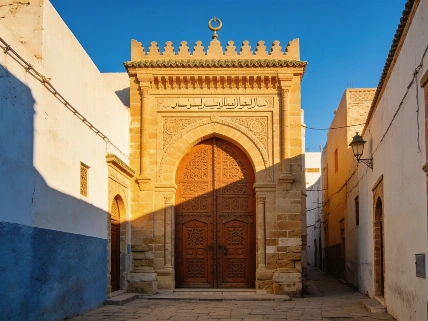
The UN has begun winding down its peacekeeping mission in Western Sahara, MINURSO, after Security Council members did not renew its mandate. The Council failed to adopt competing draft resolutions on 30 October, and the mandate expired on 31 October. The mission ceased operations and its liquidation period began on 1 November, according to UN News.
About 160 military observers are to be repatriated, and 13 facilities and team sites are to close. Around 180 civilian and affiliated personnel will also leave. The mandate dispute was also covered in Maghreb Insider's earlier report. MINURSO was established in 1991 to monitor the ceasefire and help create conditions for a referendum and a political settlement; the referendum has never taken place.
A smaller team reporting to the UN Department of Operational Support will oversee the phased closure and handover. The process is to be "orderly and environmentally responsible". UN property and equipment will be disposed of or transferred; communications and logistics systems will be dismantled. Mission records will be archived, and local contracts closed.
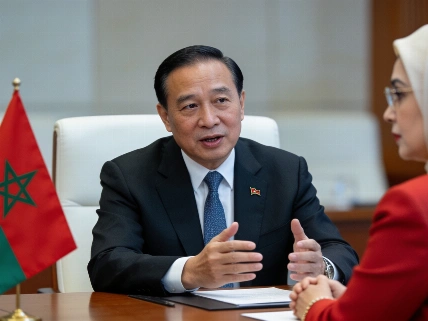
The UN will retain administrative and financial oversight, as well as security oversight, during the process. Spokesperson Stéphane Dujarric said the organisation would protect the safety of all personnel. He reiterated the Secretary-General's position that MINURSO's departure "does not abrogate" the right of the people of Western Sahara to self-determination, along with the call for all concerned to exercise "maximum restraint". The UN said diplomatic engagement would continue through Secretary-General António Guterres's Personal Envoy for Western Sahara, Staffan de Mistura.