Algeria denounced the September 15 drone attack on Mecca and backed Saudi Arabia, but did not name the Houthi group behind it. This silence raises questions about Algeria's diplomatic stance as reports of Iranian-linked activity in the country persist.
On September 15, 2026, a drone headed for Mecca. Saudi air defenses shot it down south of the city before it could reach the restricted zone. Saudi officials called the incident a "red line" and said it was meant to scare worshippers. Reuters and coalition spokesperson Turki al-Maliki reported these details. Algeria quickly condemned the attack and voiced support for Saudi Arabia's sovereignty. But Algiers did not name the Yemeni Houthi group Ansar Allah as the attacker. Other countries did. Algeria's choice to stay vague set it apart.
This was not just a minor detail. Mecca holds deep meaning for Muslims, and many expected Muslim-majority countries to clearly denounce both the attack and those behind it. Algeria's decision to avoid naming the group has drawn attention. The Saudi Ministry of Foreign Affairs called the attempt "cowardly" and urged the world to take a strong stand against the Houthis and their threat to maritime security, as reported by Al Arabiya English and the Maghreb Arab Press (MAP).
Diplomatic caution and regional shadows
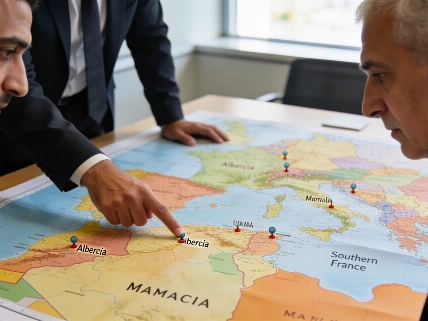
Algeria's silence comes as reports keep surfacing about possible Iranian-linked sites and personnel inside its borders. For years, international sources have talked about alleged secret Iranian bases in Algeria, along with the presence of Houthis, Hamas, African rebel groups, and Iran's Islamic Revolutionary Guard Corps. These claims have not been independently confirmed, but they shape the regional security debate. The Algerian Press Service (APS) has often stressed the government's official line of neutrality and non-interference. This approach shapes how Algeria communicates during tense regional crises.
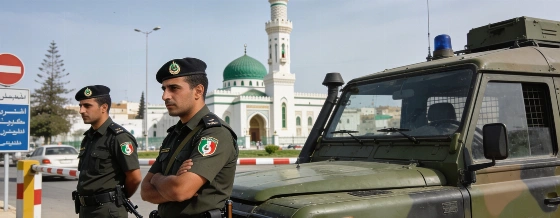
An Algerian officer said the country stands in "full solidarity with Saudi Arabia." But this statement is complicated by reports that Algerian gendarmes and military staff assigned to guard three alleged Iranian bases inside military barracks were removed or jailed on orders from General Saïd Chengriha. Reports say President Abdelmadjid Tebboune was not told. The reason given was to keep these sites secret. This shows how Algeria's security and foreign policy often work in silos, with little sharing of information even at the top.
Strategic ambiguity and its consequences
By backing Saudi sovereignty and showing support for Riyadh, Algeria presents itself as a responsible regional player. But by not naming the Houthi group, it leaves a gap. This is not the first time Algeria has chosen ambiguity. The pattern fits a broader trend in its foreign policy, where caution often outweighs direct confrontation-especially when Iranian interests or proxies are involved. Regional analysts point out that any real accusation against an Iran-linked group puts a spotlight on Algeria's own reported ties to Tehran. The Tunis Afrique Presse (TAP) has noted similar diplomatic ambiguity in other Maghreb countries when they face sensitive alliances or proxy conflicts.
This kind of maneuvering is common in the region. For example, as reported earlier, Morocco has taken a more direct line, calling for global rules to protect strategic sites and naming threats openly. Algeria's more cautious approach stands out. It raises questions about whether Algiers is willing to confront sensitive alliances directly. The United Nations Economic Commission for Africa (UNECA) has often stressed the need for open regional cooperation to tackle cross-border security threats. But in the Maghreb, this remains a challenge.
Editorial perspective
Algeria's refusal to name the Houthi group after the Mecca drone attack is not just a footnote. It is a deliberate choice that points to deeper regional ties. Algeria's condemnation of the attack and support for Saudi Arabia are clear. But its silence on the attacker shows a reluctance to risk complex relationships, especially those involving Iran. This kind of ambiguity may buy time, but it can also erode trust among partners who expect clear support when holy sites are threatened. In this tense climate, Algeria's balancing act is as much about what it leaves unsaid as what it declares. For more on Algeria's official diplomatic positions, see the Ministry of Foreign Affairs of Algeria.