
Morocco has called for an international code of conduct for countries bordering major maritime straits, warning that shipping routes like the Strait of Gibraltar face growing security threats and need coordinated management.
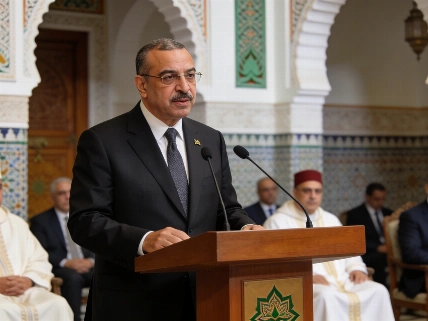
Morocco has urged the United Nations Security Council to back new international rules for managing the world's busiest maritime chokepoints. Foreign Minister Nasser Bourita made the case at a high-level Arria-formula meeting on September 17, according to Arabic and French-language media and statements from the Moroccan Ministry of Foreign Affairs. The proposal, covered by MAP news agency, challenges the current approach to global shipping security.
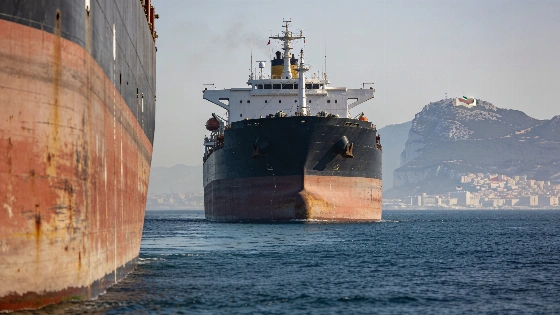
The focus is the Strait of Gibraltar, a narrow passage where about 100,000 ships pass each year-roughly one every five minutes. This figure, reported by Medi1 News and Al Yaoum 24, highlights the strait's role as one of the world's busiest shipping corridors, with more daily traffic than the Suez or Panama Canals. The Strait of Gibraltar is the only natural link between the Atlantic Ocean and the Mediterranean Sea, making it central to global trade and energy flows and a frequent topic in security discussions.
Morocco frames chokepoint management as a shared duty
Morocco is presenting itself as a partner in international stability, not just a country with a strategic location. Bourita told the Security Council that managing straits is a "responsibility rather than a form of ownership" and argued that these routes should stay open, secure, and predictable. This fits with Morocco's recent diplomatic efforts, including infrastructure and energy deals with Spain and Portugal and its involvement in African Union maritime security projects, as noted by the UN Economic Commission for Africa.
The session, organized by Bahrain under the theme "Safe Seas, Shared Security: Safeguarding Freedom of Navigation in an Evolving Security Environment," saw both Morocco and Bahrain propose a joint international forum. The goal is to encourage compliance with international law, share best practices, and prevent the use of strategic waterways for coercion. This idea was included in official statements and reported by MAP and Bahrain News Agency.
Security risks and the push for global standards
Bourita warned that the world's seas are both essential and increasingly at risk from non-state actors. He pointed to recent Houthi attempts to control the Bab-el-Mandeb Strait and the crisis in the Strait of Hormuz as examples of the limits of current international systems, a point also raised by Hespress English. The proposed code of conduct would set clear expectations for how states bordering strategic passages should act and respond to crises. The legal framework for strait passage is complex: some are covered by the UN Convention on the Law of the Sea's transit passage rules, while others follow the principle of innocent passage, as explained by Diplomacy and Law. This legal patchwork is a key challenge for any new code.
Morocco's push comes as the country continues to position itself as a regional anchor for stability and infrastructure. Its recent rail and skills investment is part of a broader effort to use its location for international benefit. The Ministry of Equipment and Water oversees port and shipping regulations in coordination with international partners. More details on Morocco's maritime policy are available on the official ministry portal.
By framing the management of the Strait of Gibraltar as a global responsibility, Morocco hopes to build support for collective security and open navigation. Whether other countries with control over strategic waterways will accept shared rules remains to be seen. So far, no formal Security Council resolution or binding international code has been adopted, and the proposal is still under discussion, according to MAP and regional diplomatic sources.