
A 2025 survey and interviews with 50 people found that stigma can hide loneliness in Morocco. Young people are seeking peer support and better mental-health services.
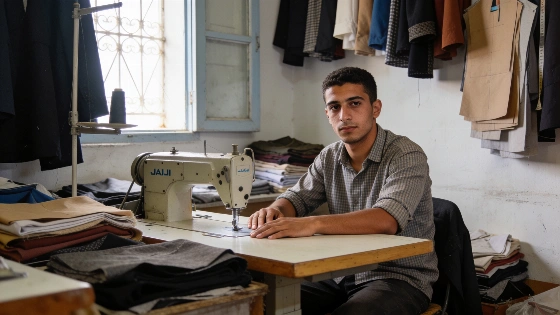
Mohammed Abu Obeid has learned to keep quiet when loneliness hits.
The 28-year-old tailor in Tangier said people close to him do not want to hear about it. In communities where family and friends are close by, that silence can be hard to break.
Sociologist Safae Ben Fraiha calls this Morocco's "loneliness paradox": the feeling is taboo and often denied. A 2025 global survey by the Annecy Behavioral Science Lab found that people in Morocco often treat loneliness as laziness or immorality. Researchers also interviewed 50 people across the country. Many did not recognize their own loneliness until asked specific questions.
Silence does not mean the need is absent. It can make distress harder to identify and discuss.
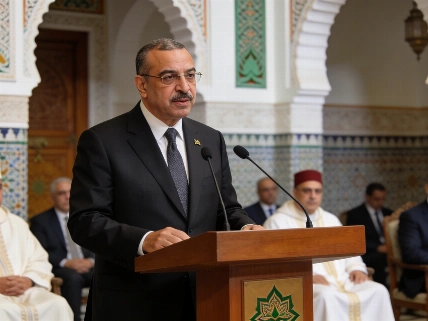
The Ministry of Health and Social Protection said in 2025 that it was preparing a national mental-health plan. The plan included expanding local health infrastructure and developing remote medical centers, according to the ministry's published initiatives. Listed measures also include support for children and young people leaving social-protection institutions. None is a dedicated government program addressing loneliness.
Access remains uneven. Specialists and facilities are concentrated mainly in major cities, while people elsewhere may have fewer options. In some families, traditional practices come before a visit to a psychiatrist. The ministry has reported that 67 urban and rural health centers opened across six regions, alongside 16 remote centers across four regions. Its health-center update does not say how many offer specialized mental-health care.
For context, Morocco's High Commission for Planning cited a World Health Organization estimate of 2.9 suicide deaths per 100,000 people in 2020. That figure measures mortality. It does not estimate how common loneliness or depression is, and cannot stand in for either condition.
For Gen Z, the gap between the relationships young people need and those they experience is widening. Young people have protested for better mental-health support, while older generations remain more traditional about discussing these issues. With no published government program focused specifically on loneliness, peer conversations offer one response. Abnur Saberi, a 27-year-old PhD student, credits trusted friends with helping him through depression.
Questions about public needs also feature in coverage of public trust. Loneliness is a distinct issue; the government initiatives described here address mental-health care and access more broadly.
On Oct. 5, 2026, the Ministry of Health and Social Protection announced the opening of a psychiatric unit at the provincial hospital center in Casablanca's Hay Mohammadi district. The announcement does not establish how widely such services are available across the country.