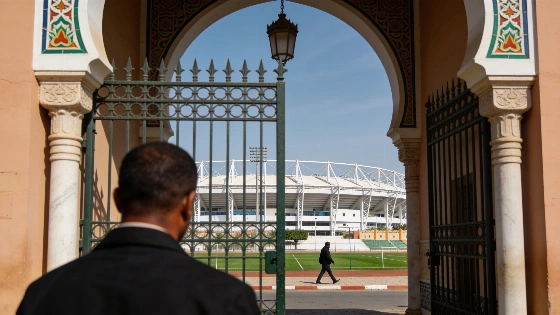
FIFA's assessment and Morocco's rights council have raised concerns about the country's laws. Available evidence does not confirm changes to Penal Code provisions on same-sex relations, sex outside marriage or public fasting.
FIFA's hosting assessment already ties tournament readiness to Morocco's rights protections. Morocco is due to host the 2030 World Cup with Spain and Portugal, while key provisions of its Penal Code remain in force. Calls for a comprehensive overhaul have yet to produce one.
The concern is on the record beyond campaign groups. FIFA's evaluation and Morocco's National Human Rights Council, known as the CNDH, have both identified legal changes and protections as issues relevant to hosting. The CNDH is the country's national rights institution. Its recommendations are not changes to the law, which require formal legislative action.
In November 2024, Amnesty International urged FIFA to make human-rights protections a condition of hosting. It called for a credible rights strategy for the 2030 tournament. Amnesty also raised concerns about restrictions on expression and assembly, limits on privacy, and the criminalization of same-sex and extramarital relations in Morocco.
FIFA's evaluation report called for Moroccan law to align with the International Covenant on Civil and Political Rights. It cited gaps in protections for vulnerable groups and warned that demonstrations could create tension. Law enforcement might use disproportionate force or impose excessive restrictions during the competition, the report said.
The operational demands reach beyond criminal law. FIFA's bid requirements include state guarantees on entry and immigration, as well as work permits. They also cover tax arrangements and security, along with telecommunications and commercial rights. Those commitments carry administrative and economic consequences for host governments, on top of stadium costs and the logistics of visitor services.
The CNDH has called for amendments to criminal-law provisions that restrict freedom of expression. It recommends making any limits explicit and accessible in law. Available information does not reliably confirm later official decisions by FIFA or the Moroccan government to change Articles 489, 490 or 222 in connection with the World Cup.
Private conduct remains subject to criminal penalties. The CNDH points to a divide between constitutional guarantees of individual freedoms and laws that restrict their exercise. Article 489 criminalizes same-sex sexual acts. Article 490 penalizes consensual sex outside marriage between people of different sexes. Article 222 punishes a person known to be Muslim for publicly breaking the Ramadan fast. The account reports that courts have applied these provisions. Their precise wording and current penalties should be checked against the official text of the Penal Code.
The Council has called for Articles 489 through 493 to be repealed. It has also called for the repeal of Article 222 and the second paragraph of Article 220, which penalizes using means of seduction to undermine a Muslim's faith or induce conversion. The CNDH has urged decriminalization of consensual extramarital relations between adults. It says sexual exploitation, particularly of minors, must remain criminalized. The CNDH's public materials explain the institution's role, but its recommendations are not enacted law.
The law will come into view alongside Morocco's investment in sporting infrastructure. Hosting plans also cover transport and accommodation, as well as event operations. For a multinational event, public assurances depend on construction and service delivery. They also depend on predictable rules that respect the rights of residents, workers and visitors.
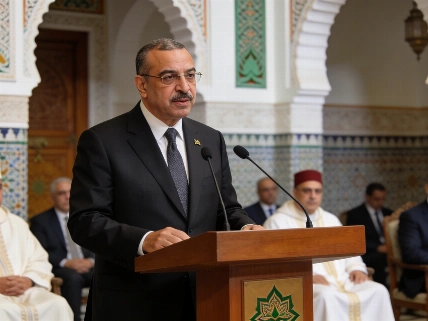
Procedural changes do not replace Penal Code reform. Justice Minister Abdellatif Ouahbi has announced a special framework for criminal proceedings at major sporting events. During the 2025 Africa Cup of Nations, nine judicial offices operated inside stadiums across six cities to process offenses committed during matches. The arrangement was designed to handle minor cases quickly. It does not address the criminalization of private conduct.
Law No. 03.23, a Code of Criminal Procedure reform, was promulgated by Royal Decree No. 1.25.55 on 13 August 2025. It appeared in Official Gazette No. 7437 on 8 September and entered into force on 8 December 2025. The reform primarily concerns pretrial detention and the execution of sentences. It did not repeal the Penal Code provisions discussed here. The Ministry of Justice is the relevant government institution, but available information does not establish any subsequent amendment to Articles 489, 490 or 222. Elsewhere in public policy, Morocco's cancelled shipyard tender left the project's future operating model unsettled. That project is separate from the legal reforms at issue here.
Nabil Benabdallah, secretary-general of the Party of Progress and Socialism, said the Penal Code overhaul had been delayed for years. He said the government had advanced other legal reforms while the central code remained pending. Benabdallah also noted that the CNDH's recommendations were already included in Morocco's World Cup candidacy dossier. Justice Minister Ouahbi declined to comment to TelQuel despite requests. Any future change would need to appear in a published legal act. Tournament announcements or reporting by MAP, Morocco's official news agency, would not by themselves amend the code.