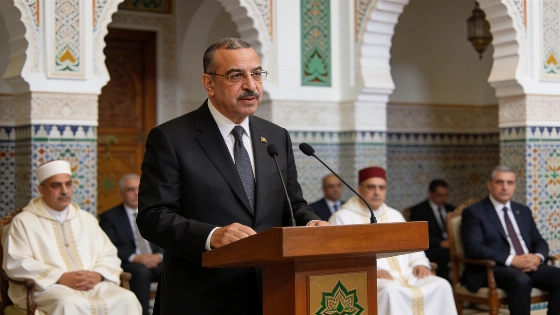
At the opening of Parliament, King Mohammed VI called for investment plans that create jobs and for authority to reach regional governments without further delay.
On October 9, 2026, King Mohammed VI opened the first session of the first legislative year of the 12th Legislature. Parliamentary elections had taken place on September 23. Morocco.ma's announcement confirmed the opening. The legislature begins a five-year term, while the government was still being formed at the time of the ceremony.
In his address, the King framed the term as a chance to make Morocco a rising and dependable economic power. He said growth must go hand in hand with social and territorial equity. The Ministry of Royal Household, Protocol and Chancellery announced the opening and the address to both chambers. It was the first parliamentary ceremony of its kind since the election.
The King also renewed pressure to complete the National Charter for Administrative Deconcentration. Adopted in December 2018 as an administrative complement to advanced regionalization, the charter was still only partially implemented by October 2026.
Further delays, he said, were unacceptable. He called for authority to move from the central administration to the regions. Qualified personnel and financial resources must follow.
Morocco needs to move beyond planned infrastructure projects, the King said, and launch a new generation of strategies. Those strategies should address water and energy. He also called for plans to secure food supplies, develop industry and grow the digital economy, including artificial intelligence. The speech set out these priorities without giving investment totals or implementation timetables. He urged the government to build stronger strategic reserves and secure basic commodities.
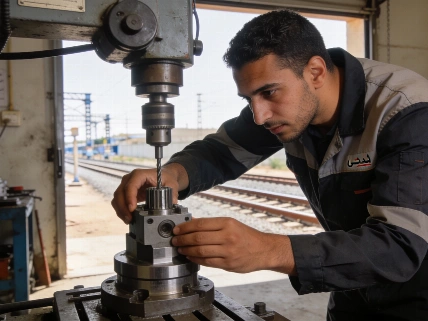
The King said delays in advanced regionalization and administrative deconcentration were holding back economic and social programs. They were also weakening the response to citizens' concerns. He called for clearer rules between the state and regions, as well as coordination and contractual mechanisms that would let regional authorities make decisions and carry out projects. The industrial push echoes Maghreb Insider's aerospace coverage, which described an effort to move beyond assembly toward engineering and advanced production.
Private companies, the King said, should take a larger role in development. He called on them to invest and export, with job creation as a further priority. He also urged policymakers to put young people's concerns at the center of public policy. That approach should expand equal opportunity and improve education. It should also build skills and support economic integration.
He linked young people's freedom and dignity to confidence in social advancement. Stability, he said, depends on trust in national institutions and the prospects for a better future. The King described the parliamentary mandate as a political commitment and a moral contract with citizens.
To give regional authorities a clearer role, the King called for rules governing their relationship with the state. He also pressed for coordination and contractual mechanisms that would allow them to make decisions and implement projects.