
Unprecedented marine heat along Algeria's Mediterranean coast has driven record-breaking temperatures and now threatens to trigger severe storms and flash floods as autumn approaches, raising urgent concerns for infrastructure and public health.
Algeria is confronting a period of heightened meteorological risk following an extraordinary summer marked by record marine and atmospheric temperatures along its Mediterranean coastline. The sustained warming of sea waters, particularly in the central coastal regions, has transformed the Mediterranean into a significant thermal reservoir, setting the stage for potentially severe weather events in the coming weeks.
Throughout the summer of 2026, data indicated an early and persistent rise in sea temperatures. By early June, water temperatures in the Bay of Algiers were already well above seasonal norms, disrupting coastal ecosystems. The situation intensified in August, with surface temperatures reaching 29°C at several points, including Boumerdès and Tigzirt. Experts now warn that this is not a temporary anomaly but a structural shift driving major atmospheric instability.
Heatwaves Intensify Across Algeria
The marine heatwave has directly contributed to a series of intense and prolonged heatwaves on land. June saw six days with temperatures exceeding 40°C, while July brought fifteen consecutive days of extreme heat, peaking at 48.1°C in Tizi Ouzou and surpassing 50°C in parts of southern Algeria. The trend continued into August, with multiple days above 40°C, placing additional strain on communities and infrastructure.
Autumn Storms and Flooding Risks Loom
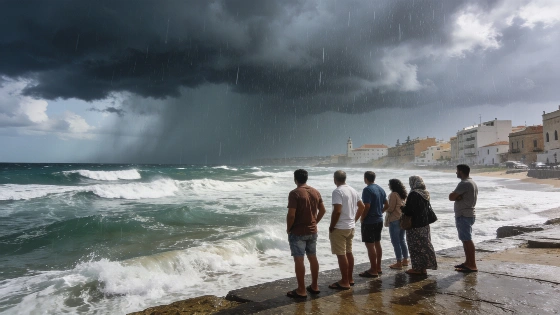
As the region transitions toward autumn, scientists are increasingly concerned about the risk of violent storms and flash floods. The accumulated heat and moisture in the Mediterranean are expected to interact with incoming cold air masses, creating conditions ripe for sudden, intense rainfall and severe thunderstorms along the Algerian coast. Such events could lead to rapid flooding, threaten water resources, and exacerbate health risks, particularly for vulnerable populations enduring hot, humid nights.
Authorities and experts are calling for urgent preventive measures and heightened vigilance to mitigate the impact of potential hydrological disasters. The coming weeks will be critical in determining the scale of the threat and the effectiveness of Algeria's response to this new climate reality.