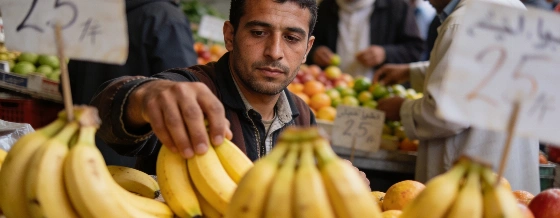
Banana prices in Algeria have dropped from 850 to around 420 dinars per kilogram after the government imposed strict import regulations and expanded the pool of licensed importers, aiming to curb speculation and restore market stability.
Banana prices in Algeria have undergone a sharp correction, falling from highs of 850 dinars per kilogram to approximately 420 dinars in many regions. This reversal follows a period when bananas became nearly unavailable and prohibitively expensive, prompting the Ministry of Foreign Trade and Export Promotion to intervene with a series of regulatory measures.
The government's response included tightening the criteria for import authorisations and capping the purchase price at $1 per kilogram. In parallel, authorities moved to dismantle monopolistic structures by broadening the list of approved importers, allowing new entrants-including young investors-to participate in the market. These steps are designed to foster competition and ensure a more reliable supply for Algerian consumers.
Import Oversight and Price Enforcement
Algerian banks have played a key role in enforcing the new rules, with import invoices now strictly monitored to ensure compliance with the official price ceiling. According to local reporting, current import invoices range between $0.50 and $0.99 per kilogram, in line with the ministry's requirements. The Bank of Algeria and the Association of Banks and Financial Institutions (ABEF) have so far approved over 460 import programmes, benefiting both established operators and new market entrants.
This approach is grounded in a close analysis of international market prices, with the government aiming to eliminate over-invoicing and reduce the influence of intermediaries who previously inflated costs for consumers. The authorities expect further price reductions as additional shipments arrive and the new regulatory framework takes full effect.
Market Diversification and Distribution Controls
Beyond import regulation, the government is also targeting the distribution chain. By diversifying the profile of importers and increasing transparency, officials hope to create a healthier, more competitive market. Once bananas reach Algerian ports, inspection teams from the Ministry of Domestic Trade and Market Regulation monitor the supply chain to ensure that legal profit margins are respected and that cost reductions are reflected in retail prices. This comprehensive oversight is intended to stamp out speculation and protect consumers from artificial price hikes.
The Algerian government's intervention in the banana market mirrors broader efforts to address price volatility in other sectors. For example, similar regulatory strategies have been observed in the automotive sector, where increased competition from Chinese imports has led to downward price pressure, as discussed in recent coverage of Algeria's car market.
What to Watch Next
Authorities anticipate that banana prices will continue to decline as more shipments arrive and the expanded pool of importers stabilises supply. The effectiveness of these measures will be tested in the coming weeks, as regulators monitor both wholesale and retail markets for compliance and potential signs of renewed speculation.