
Egypt and Libya are advancing plans for a permanent exhibition of Egyptian products in Benghazi, aiming to deepen industrial, commercial, and investment ties and position Libya as a regional trade hub for North and Central Africa.
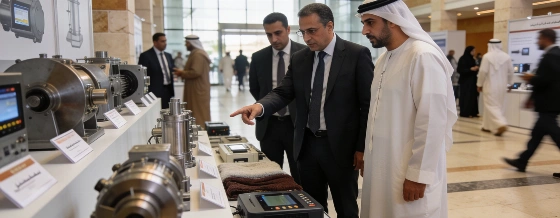
The Federation of Egyptian Industries and the General Union of Chambers of Commerce in Benghazi have initiated discussions to establish a permanent exhibition space for Egyptian products in Libya. The proposed facility, to be located in Benghazi, would be supported by dedicated warehouses and logistics and marketing centers, with the goal of strengthening industrial, commercial, and investment cooperation between the two countries.
This initiative is part of a broader cooperation protocol signed by both organizations, which also includes the launch of an annual Egyptian-Libyan Industrial Integration Exhibition in Benghazi. The first edition of this event is tentatively scheduled for April 2027, and is intended to foster direct connections between Egyptian and Libyan companies and factories, encouraging the creation of joint projects and cross-border investments.
Industrial Integration and Targeted Sectors
According to Hisham El-Gazzar, Head of the Exhibitions and Small Projects Committee at the Federation of Egyptian Industries, the agreement is designed to promote industrial integration, facilitate technology and expertise transfer, and support the development of joint projects and value chains. The targeted sectors include building materials, food, chemicals, engineering, plastics, wood, furniture, clothing, textiles, leather, and footwear, as well as other industries where integration and investment opportunities exist in the Libyan market.
Libya's Strategy to Become a Regional Trade Platform
Saleh Al-Obaidi, Chairman of the Management Committee of the Libyan General Union of Chambers of Commerce in Benghazi, stated that the long-term vision is to combine Egypt's industrial capacity with Libya's strategic geographic position. This approach aims to transform Libya into an economic platform for reaching African markets. Al-Obaidi highlighted Libya's efforts to enhance its role as a transit trade center for deeper African markets such as Chad, Niger, Sudan, and Mali, through the development of storage areas, logistics services, and secure trade convoys, as well as leveraging free zones to facilitate product flows to target destinations.
What to Watch Next
The first annual Egyptian-Libyan Industrial Integration Exhibition is planned for April 2027 in Benghazi. Progress on the establishment of the permanent exhibition space, as well as the development of supporting logistics infrastructure, will be key indicators of the initiative's momentum and its potential impact on regional trade integration.