
Egypt's Ministry of Agriculture and China's ICAMA are deepening cooperation to localise pesticide manufacturing, transfer technology, and build regulatory capacity, aiming to boost Egypt's self-sufficiency and support sustainable agricultural development.
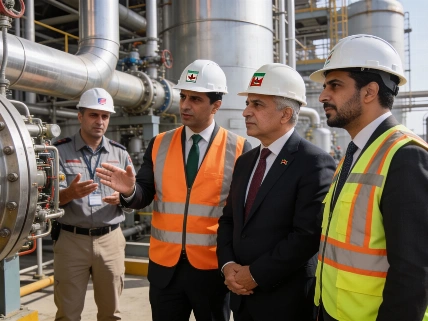
Egypt's Minister of Agriculture and Land Reclamation, Aladdin Farouk, has hosted a senior delegation from China's Institute for the Control of Agrochemicals (ICAMA) in Cairo, as both sides seek to strengthen cooperation in pesticide regulation, production, and technology transfer. The Chinese delegation, led by ICAMA Director Huang Xiujie, included senior officials and representatives from both Chinese and Egyptian companies active in the sector.
The meeting brought together key Egyptian officials, including Adel Abdel Azim, Chairman of the Agricultural Research Centre, Hala Abo Youssef, Head of the Agricultural Pesticides Committee, and senior figures from the ministry and private-sector pesticide manufacturers. The discussions focused on consolidating the strategic partnership between Egypt and China in the management, registration, and oversight of agricultural pesticides.
Focus on local manufacturing and investment climate
Minister Farouk emphasised that partnership with China is central to Egypt's strategy for developing its agricultural sector. He highlighted ongoing efforts to improve the investment climate and attract both domestic and foreign investment, particularly in areas related to agricultural inputs and pesticide production. Farouk underlined the importance of empowering the private sector, promoting local manufacturing, and encouraging joint ventures to build a national industrial base for high-quality pesticide production aligned with international standards. This, he argued, would help Egypt achieve greater self-sufficiency and reduce reliance on imports.
The minister also stressed the priority of investing in human capital, announcing that the cooperation will include specialised training programmes for young engineers and researchers. These initiatives aim to enhance Egypt's capacity in pesticide monitoring and integrated pest management, in line with global best practices.
Draft MoU and next steps in Egypt-China cooperation
During the meeting, Hala Abo Youssef presented a draft memorandum of understanding (MoU) between Egypt's Agricultural Pesticides Committee and China's ICAMA. The proposed MoU is intended to establish an institutional framework for exchanging expertise, developing regulatory systems, and building technical and research capacity. The Chinese delegation's visit also includes field visits to national pesticide manufacturing plants in 6th of October City and export-oriented farms in Beheira Governorate, providing an opportunity to assess pesticide use and agricultural practices on the ground.
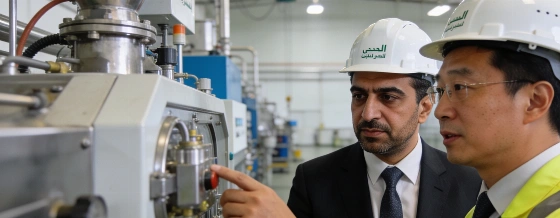
ICAMA representatives described the cooperation as "fruitful" and praised the progress in Egypt's agricultural sector and the investment opportunities available. They reaffirmed ICAMA's commitment to supporting Egypt in transferring and localising advanced pesticide manufacturing technologies, developing safer and more effective compounds, and providing technical and training support to Egyptian professionals. Both sides see these efforts as contributing to Egypt's sustainable agricultural development and enhancing its export competitiveness.