
Egypt's youth are no longer passive consumers but active creators in the digital sphere, prompting the state to overhaul its approach to education and cultural engagement. With over 98 million internet users, the stakes for digital literacy and authentic participation are higher than ever.
Egypt's digital revolution is not unfolding in the future-it is happening now, and the country's youth are at its epicentre. The state's traditional approach to education and cultural outreach is being outpaced by a generation that spends hours online, not just absorbing content but actively shaping it. The question is no longer whether to engage, but how to keep up.
Official figures are stark: by 2025, Egypt counted 98.2 million internet users, representing 82.7% of the population. Social media users reached 51.6 million, with young people dominating both consumption and production of digital content. According to a Cabinet survey, 27% of youth spend six hours or more online daily, and over half use the internet to seek employment. These numbers are not just statistics-they are a direct challenge to the state's ability to communicate, educate, and build trust with its next generation.
Digital Engagement: From Policy to Practice
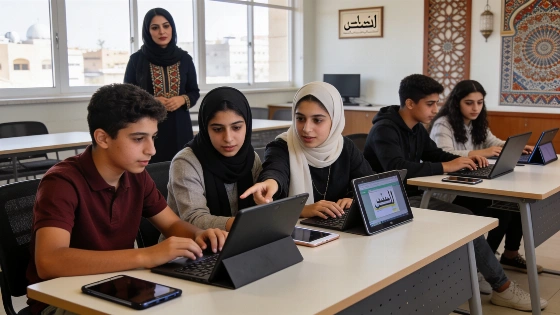
Egypt's government has responded with a suite of initiatives, most notably the "Digital Egypt Generations" framework. In 2025 alone, more than 156,000 participants were trained, with the total reaching 277,000. The programme targets every educational stage, from primary school ("Digital Egypt Sprouts") to university graduates ("Digital Egypt Builders"), and is backed by creative hubs and high-stakes competitions like Digitopia, which offers millions in prizes for digital talent. The National Media Authority is also shifting its strategy, prioritising short-form, interactive content to attract younger audiences.
Yet, the real test is not in the number of programmes launched, but in their integration with the broader educational system. Digital literacy cannot remain a side project or a seasonal campaign. Parliament is now pushing for "Digital Citizenship" to become a core subject, covering everything from online safety to critical thinking and digital etiquette. The aim: to equip youth not just with technical skills, but with the ability to express Egyptian identity and values in the digital world.
What Works-and What Fails-in State Communication
Academic research has exposed the limits of top-down communication. A field study of 455 Egyptian youth following government social media accounts found that "bridging" strategies-those that foster genuine dialogue and participation-build trust and encourage active citizenship. In contrast, "buffering" approaches focused on image management and justification of decisions alienate young audiences. The message is clear: youth want to be heard, not managed.
Language is the critical bridge. The state's challenge is to craft a discourse that is both accessible and dignified, translating national values into formats that resonate-short narratives, interactive videos, and visually compelling content. The Ministry of Communications' freelancing initiatives are already connecting digital skills with real economic opportunities, but the gap between official content and youth interests remains wide.
Risks, Gaps, and the Path Forward
Despite ambitious efforts, several obstacles persist. Many government accounts still publish without listening, and there is no unified national digital communication strategy linking ministries with cultural and educational institutions. The risk is a generation that feels disconnected from official narratives, turning instead to external sources for identity and belonging.
But the opportunity is greater than the risk. If Egypt embeds digital engagement at the heart of its educational and cultural policy, it can cultivate a generation capable of navigating the digital sphere with both responsibility and freedom. The state's success will depend on its willingness to listen, adapt, and empower youth as genuine partners-not just as an audience to be managed.
As someone working at the intersection of literature, translation, and cultural formation, I see the digital moment as a chance to build authentic critical consciousness, not just fleeting entertainment. The future of Egypt's cultural identity will be decided not by how much the state speaks, but by how well it listens-and how effectively it enables its youth to shape the digital world on their own terms.
Prof. Inas Abd El Khalek, Dean of the High Institute of Art and Literary Translation, Academy of Arts