Libya's Development and Reconstruction Fund and Egypt's Ministry of Electricity and Renewable Energy have agreed to work together on urgent grid upgrades and new renewable energy projects. The goal is to address Libya's ongoing power outages and keep pace with growing cities.
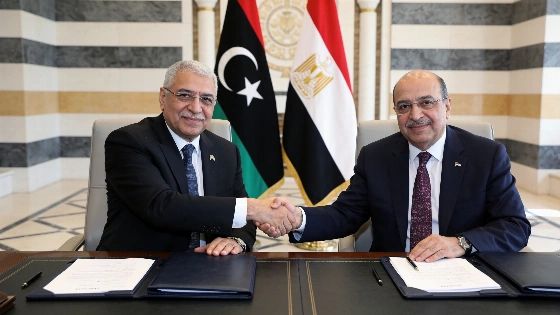
Libya's long-running power cuts have pushed officials to act. The Libya Development and Reconstruction Fund in Benghazi and Egypt's Ministry of Electricity and Renewable Energy have signed a memorandum of understanding to make the grid more reliable and expand renewable energy. Several Libyan and regional news agencies confirmed the deal. It fits a wider pattern of North African countries working together on energy, as reported by Tunis Afrique Presse (TAP) and the Algerian Press Service (APS).
The agreement calls for concrete results. Belgasem Haftar, who leads the Libya Development and Reconstruction Fund, told Egyptian Minister Mahmoud Esmat and his team that Libya needs clear steps and deadlines. He stressed that the country's electricity sector cannot wait any longer. In a statement on 22 September 2026, Egypt's Ministry of Electricity said it was advancing a national plan to modernise the grid, adding solar and wind power with advanced energy storage. The Cairo Governorate Electronic Portal reported the statement.
Joint push for technical integration and grid efficiency
The memorandum sets out how the two sides will cooperate on electricity and renewables. They plan to coordinate upgrades to Libya's grid to improve its performance, while developing renewable energy projects to meet the needs of the country's fast-growing cities. The deal also covers training local staff to sustain the improvements. A ministerial update says Egypt has begun planning infrastructure to connect solar and wind projects to its own grid. That work will also support Libya's reconstruction.
Talks between Libyan and Egyptian officials focused on preventing blackouts and helping cities recover. The Fund said the basic goal is better service for people, with less paperwork. The approach echoes other regional efforts, with more regional initiatives linking infrastructure. The African Union's North Africa Regional Office and the UN Economic Commission for Africa (UNECA) have both said such deals matter for reliable energy and economic recovery after conflict.
Strategic implications for Libya's reconstruction and regional energy ties
The memorandum is not binding, but it signals that both sides want action in a sector that has suffered years of neglect. Egypt brings technical know-how and a working model for renewables. The deal also gives Egypt an opening in Libya's reconstruction and a chance to expand its role in North Africa's energy sector. It follows other recent deals between Cairo and Tripoli covering oil and gas, alongside mining, as reported by Al Ahram and confirmed by APS. The memorandum is part of a broader push for cooperation beyond electricity.
Whether Libya and Egypt can turn the agreement into change will depend on follow-through. Their priorities include urgent planning and better operations, alongside worker training. If implemented, the measures could mark a turning point for Libya's struggling power sector and provide a model for larger regional energy projects. Egypt's grid plan reportedly handled record demand this summer, suggesting a technical base for cross-border work, although officials have not shared exact numbers.