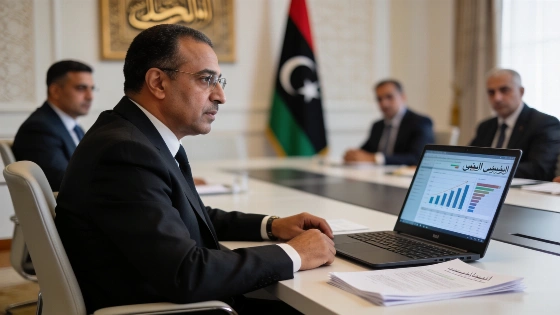
Libya is moving to centralize and track all international support with a new electronic system and national database. The Central Bank governor has joined a high-level committee to ensure aid aligns with Libya's priorities and development plans.
Libya is changing how it handles international support. The Central Bank governor is now part of a national effort to bring all foreign aid and cooperation programs under one roof. For years, Libya's divided institutions made it hard to manage development projects. Now, the country wants tighter oversight and more transparency. This move follows calls from the African Union for North African countries to better coordinate aid and make sure outside funding matches national goals.
The plan centers on a new electronic system and a single national database. Every grant, project, and form of international support coming into Libya will be logged and tracked. The aim is to get real-time, accurate data. This should make it easier to see where money goes and how it helps. The Libyan News Agency (LANA) says this step comes as Libya steps up its diplomatic and economic coordination. In September 2026, Libya took part in high-level meetings on the sidelines of the UN General Assembly.
Central Bank steps into coordination role
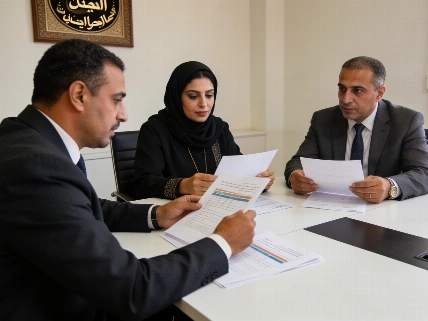
Naji Mohamed Issa, Governor of the Central Bank of Libya, joined the second meeting of the National Committee for Organizing and Coordinating International Support on 21 September. This committee was set up by Tripoli's Prime Minister's Decision No. 422/2026 and is led by Mohamed Omar Bin Ghalboun. Its job is to build the rules and guidelines so that all international cooperation matches Libya's real needs and priorities. The Central Bank says it is ready to help the committee do its work. This fits a wider pattern in the Maghreb, where central banks in Algeria and Tunisia have started to play a bigger part in watching over aid and financial management, as reported by APS and TAP.
At its latest meeting, the committee worked on getting its systems up and running and setting up a clear framework for national agencies to work together. The goal is to bring efforts together, cut down on overlap, and keep sensitive state data safe. The Central Bank's support, according to its governor, is seen as a key way to get the most out of available resources and make sure international support goes into real reform and development. Morocco has taken a similar path. Its Ministry of Economy and Finance now uses digital tracking for foreign-funded projects, as shown in an official government release.
Transparency and efficiency at stake
Libya's new system is about more than just tracking aid. The government wants to control how foreign support is used. By building a central database and electronic tracking, Libya hopes to stop agencies from working at cross-purposes and make sure every dollar or euro is counted and used for real priorities. This is a big change from the patchwork and often unclear way aid was managed in the past. The committee is also working to protect the privacy of state data, which has become more important as international partners ask for more accountability. Libya is trying to rebuild its state capacity and restore trust in its institutions. This push for a unified system is part of wider efforts to modernize the country's economy and development plans, as reported earlier.
Institutional reform and the road ahead
Libya has a lot riding on this. If international support is coordinated well, the country could move from scattered, short-term projects to real, lasting development that meets urgent needs. The Central Bank's role shows that financial management is now at the center of this process. The governor has stressed the need for a national system that brings all key agencies together. The UN Economic Commission for Africa and other regional observers say these reforms are needed if North African countries want to hit their development targets and make their public sectors work better.
Libya's push to centralize and digitize how it manages international support is overdue. Years of divided institutions and inefficiency have held the country back. If the new committee and its electronic system work as planned, Libya could finally have the tools to make sure foreign aid serves its own priorities, not outside interests or bureaucratic delays. The real test will be whether these changes lead to real improvements on the ground. Both Libya's partners and its people will be watching closely.