
Libya's Ministry of Industry and Minerals is ramping up negotiations with Hungary's Rotary International Ltd for a new water desalination plant using green technology. The plan aims to tackle water shortages and drive industrial growth by bringing in foreign investment.
Libya is moving to secure new water sources as the Ministry of Industry and Minerals holds deeper talks with Hungary's Rotary International Ltd about building a modern desalination plant. If the deal goes ahead, it would be a major step in Tripoli's push to attract foreign investment and bring advanced infrastructure to the country. This policy has been repeated in recent statements from the Libyan government and at regional economic forums.
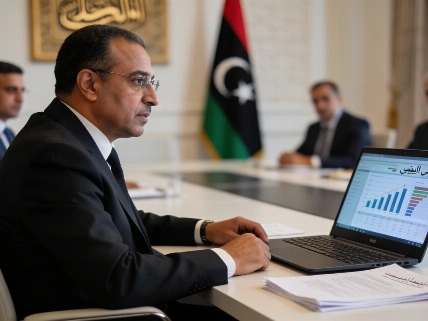
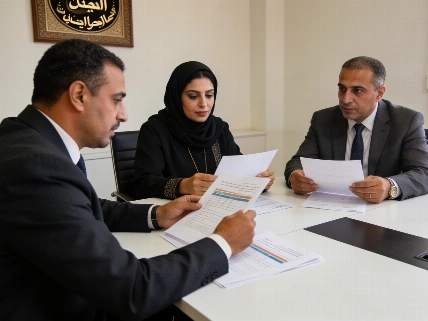
Rotary International Ltd has put forward a plan to use green technology for water desalination. The goal is to support both industry and wider water needs. The company's team met again with Undersecretary Mustafa Al-Samou at the Ministry's office in Tripoli. This meeting followed earlier sessions in Misrata, where both sides looked at the technical and operational details of the proposal. The Libyan News Agency (LANA) reported that these talks are part of a wider government effort to deal with water shortages. Other Maghreb countries, including Tunisia and Algeria, face similar problems, as reported by Tunis Afrique Presse (TAP) and Algeria Press Service (APS).
Green technology and local development
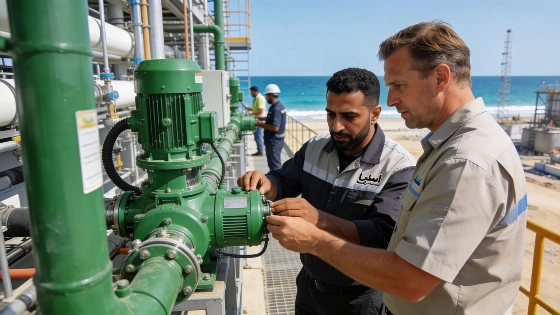
The Hungarian plan focuses on bringing modern green technology into Libya's water systems, with a clear aim to protect the environment. The Ministry wants to use projects like this to transfer technology and make Libya more appealing to international companies interested in industrial growth. This approach matches what's happening across North Africa, where governments are turning to sustainable infrastructure and foreign partners to meet growing water and energy needs. This trend is highlighted in recent UNECE water policy briefings.
Libya's search for international partners is not new. The authorities have recently worked with outside groups to modernise key sectors, such as the recent project with GIZ on a green business incubator. The current desalination plan fits into this wider pattern of using foreign expertise to fix gaps in infrastructure. The Ministry's focus on green technology is similar to moves in Morocco, where the Ministry of Equipment and Water has pushed ahead with solar-powered desalination projects, as reported by MAP (Maghreb Arab Press).
Investment plans and project status
The groundwork for these talks was set in November 2025, when the Ministry of Industry and Minerals signed a memorandum of understanding with Rotary International Company Limited. That agreement set out joint plans for investment in infrastructure, including water desalination, purification, and public services. Since then, the Ministry's leaders have repeated their support for foreign investment and for bringing in new technology through clear rules and support, as seen in recent statements from the African Union's Department of Economic Affairs.
Rotary International Ltd has also shown interest in other sectors in Libya, including a proposal for a cement factory discussed in October 2025. But the desalination plant is the most advanced and important project in the current talks. As of September 2026, there is no final contract or official government announcement confirming the start of construction. The process is still in the negotiation stage, according to independent regional news sources and the Baobab Pulse review of official statements.
Libya's approach shows a practical understanding that solving water shortages is tied to economic and industrial recovery. By focusing on green technology and foreign partnerships, Tripoli is showing it is ready to work with international experts to get real results. The outcome of these talks will show whether Libya can turn foreign interest into working infrastructure, and whether the Ministry can turn agreements into real projects that help solve the country's urgent water and development problems.