

Repsol shares jumped 2.45 percent to EUR 30.54, even after a sharp production cut at Libya's El Sharara field. Investors are weighing strong first-half profits against fresh supply risks in North Africa.
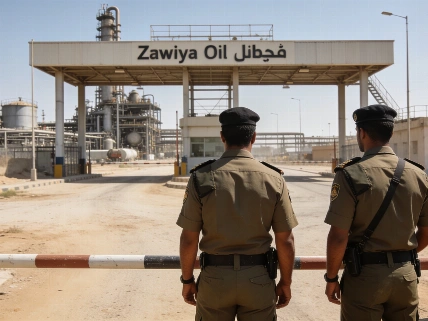
Repsol's stock climbed to EUR 30.54 in Madrid, up 2.45 percent for the day. This came right after a pipeline valve shutdown at Libya's El Sharara field cut production by half. The rally pushed Repsol shares past EUR 30, a new record, even as the company faced fresh trouble in North Africa. Libya's National Oil Corporation (NOC) said the September 21 shutdown of valve No. 7 on the pipeline to Zawiya and Zuetina dropped El Sharara's output by about 200,000 barrels a day. Current production is now just 100,000 to 105,000 barrels daily, according to Reuters and regional media. NOC chairman Masoud Suleiman confirmed the partial cut but gave no reason for it. Field engineers backed up the scale of the drop.
El Sharara is Libya's biggest oil field. It is run by Akakus Oil Operations, a joint venture of NOC, Repsol, TotalEnergies, OMV, and Equinor. The field's full design capacity is between 300,000 and 350,000 barrels a day. NOC's August 2026 review put output near 335,000 barrels, with a goal to reach 355,000 barrels by mid-2027. El Sharara's importance is clear. It has faced repeated shutdowns from protests, political fights, and technical problems. This pattern is well covered by Tunis Afrique Presse (TAP) and other Maghreb news outlets.
For Repsol, the direct hit is limited. Renta 4 puts the company's net Libyan output at about 39,000 barrels a day, less than 7 percent of its total production. No one knows how long the supply cut will last. Renta 4 has kept its Hold rating and a EUR 23.70 price target, which is far below where the stock trades now. The gap between analyst caution and market optimism stands out, especially as Libya's oil sector stays volatile. The African Union's Peace and Security Council and regional energy ministries are watching the situation closely.
Repsol's financial results are strong. First-half net income jumped to EUR 2.201 billion, up 265 percent from last year, according to MSN. Analysts in the same report expect full-year 2026 profit above EUR 5.7 billion, compared to EUR 2.6 billion in 2025. These are forecasts, not results, but they set high expectations for earnings growth. The Libyan supply cut now puts those expectations to the test. Repsol's strong numbers have caught the eye of regional economic watchers, including Morocco's MAP agency, which has pointed to the wider impact on Maghreb energy security and investment.
On September 23, trading volume hit 1,492,830 shares. Investors kept buying, pushing Repsol above EUR 30, even as a key North African field faced new problems. This shows the push and pull between short-term supply risks and the company's profit run. The gap between Renta 4's target and the actual share price shows how far market optimism has run ahead of analyst caution. Libya's oil sector has faced repeated shocks, as seen in recent moves to attract foreign partners during ongoing instability. For more details, the latest NOC updates track field status and export flows.
Repsol's rally after a major supply cut shows investors still trust its earnings power and broad portfolio. But the gap between analyst targets and the current price, along with ongoing risks in Libya, makes clear that market confidence is running ahead of what's happening on the ground. For energy companies with North African exposure, the message is simple: strong profits can lift shares for now, but regional volatility is a risk that won't go away after one good quarter.