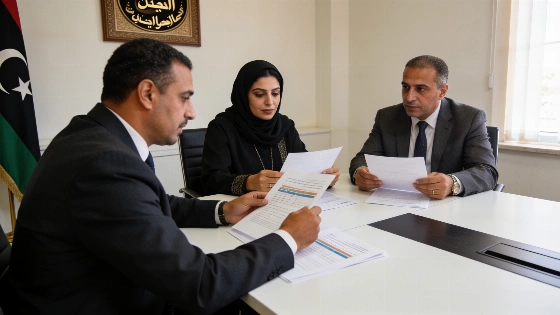
Libya's Ministry of Planning is putting together a national team to close the gap between what schools teach and what employers want. The move aims to build stronger human capital and push forward the country's 2030 development plans.
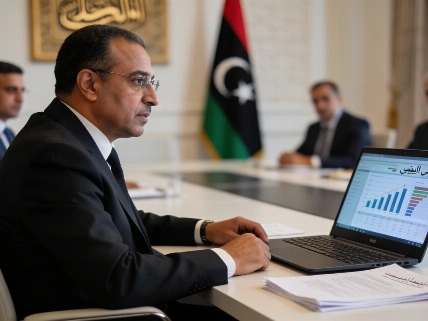
Libya's Ministry of Planning is moving from talk to action. Officials are now forming a national team to take on a problem that has held back the country's economy for years: the mismatch between what students learn and what jobs actually require. This step, agreed at a high-level meeting in Tripoli, marks a real push to change how Libya gets its people ready for work. The Ministry is acting on advice from the International Labour Organization (ILO) and following regional examples set by the UN Economic Commission for Africa (UNECA).
The plan starts with a blunt truth: Libya's schools and universities are not giving students the skills that employers need. Minister of Planning Mohamed Youssef Al-Zaidani, education and labour market expert Dr. Issa Saeed Al-Jadi, and Planning Institute Director General Dr. Mustafa Al-Arqat all agree that the current system cannot go on if Libya wants to reach its 2030 Sustainable Development Goals. Their view matches what came out of the recent Inclusive Entrepreneurship Ecosystem Assessment. More than 50 stakeholders, including the United Nations and the ILO, pointed to ongoing skills gaps and called for more hands-on training, mentorship, and tighter links between education and business. Details are in the ILO workshop summary.
Coordinating education and employment policy
The Ministry's new plan is built on one idea: education, planning, and employment agencies need to work together using real data. The team's job is to come up with a full proposal for policies and systems that make sure training and education follow what the job market actually needs. This means tracking which skills are in demand and changing courses and training to fit the economy as it shifts. The ILO says Libya's skills gap will only close if schools focus on market-driven skills, especially in digital and green economy fields. The African Union's Agenda 2063 backs this approach for building up regional talent.
This kind of teamwork is not new for Libya. The Planning Institute has already worked on projects to help businesses and train workers, as shown in reported earlier efforts to boost green entrepreneurship. In September 2026, the Ministry of Planning and the Planning Institute, working with GIZ, looked at starting Libya's first Green Business Incubator and a venture capital fund. This points to a bigger shift: linking workforce training with new business and the green economy. Other Maghreb countries are making similar moves. Reports from Tunis Afrique Presse (TAP) and Algeria Press Service (APS) show governments tying education policy to plans for economic diversification.
Building a qualified workforce for national development
The new national team will bring together everyone involved-education, planning, and employment officials-to build a single, unified strategy. The aim is to train a workforce that can meet both today's and tomorrow's job needs, helping Libya reach its wider development goals. The Ministry says this is not a quick fix. It is a deep change in how Libya builds and uses its human capital. The Libyan News Agency (LANA) reports that the need for reform is urgent. Teacher strikes and protests over pay and working conditions are still going on as the 2026-2027 school year starts, showing just how deep the problems in education run.
Libya's future depends on closing the skills gap. The Ministry of Planning is betting on evidence-based policy and teamwork across sectors to drive real change. If the national team succeeds, Libya could finally move from scattered efforts to a clear plan that links education to real jobs. This is something the country's young people have waited for. For more on education and workforce policy in the region, readers can check the Moroccan Press Agency (MAP) for Maghreb-wide updates.