
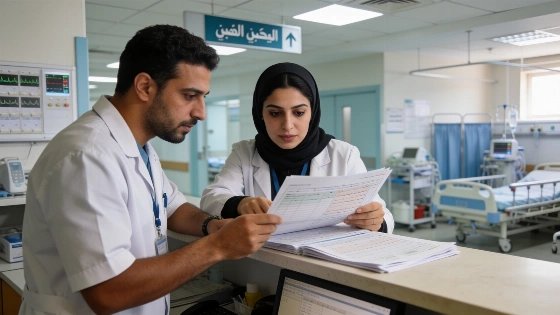
Egypt will put EGP 108 billion into public healthcare for 2026/27, raising spending by 27% as the government puts health at the center of its national plans.
Egypt is moving health to the top of its agenda. The government plans to invest EGP 108 billion in public healthcare for the 2026/27 fiscal year. This is a 27% jump from last year's budget. The move marks a clear shift in how Egypt is spending its resources. Health is now seen as a key part of national development. The Central Agency for Public Mobilization and Statistics (CAPMAS) confirmed the new figure. This increase matches a wider trend in North Africa. Morocco and Algeria have also made health sector upgrades a priority, according to reports from the Maghreb Arab Press (MAP) and Algeria Press Service (APS).
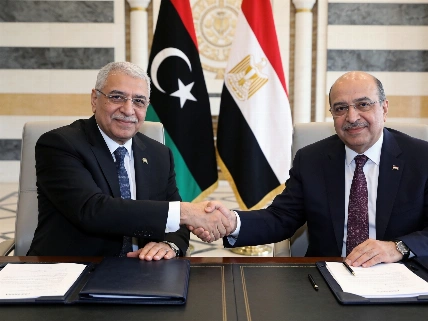
Planning and Economic Development Minister Ahmed Rostom announced the new investment at a conference where CAPMAS presented the 2025 Egyptian Family Health Survey. Rostom said that up-to-date data is not just paperwork. It is needed for real planning and policy. The 2025 survey is now the baseline for national planning. It gives detailed numbers on population health, maternal and child health, reproductive health, and nutrition. These numbers will shape future government action. The survey found Egypt's total fertility rate dropped to 2.33 children per woman in 2025, down from 2.85 in 2021. This brings Egypt closer to its target of 2.1 children per woman. The government highlighted this milestone, and regional outlets like Tunis Afrique Presse (TAP) covered it in their health sector reporting.
Data-driven policy and investment
Rostom made it clear: the government is acting on evidence, not just talk. The survey's results will be used to check how current health and population programs are working. They will also guide new policies based on real data. CAPMAS, as Egypt's official statistics body, is at the center of this work. It gives the Ministry of Planning and Economic Development the numbers needed to set goals, decide budgets, and track what happens on the ground under the Egypt Vision 2030 plan. The 2025 survey also showed a sharp rise in births by caesarean section, reaching 79.3% in 2025. This number has caught the eye of health policy experts at home and abroad. It is now a key measure for future maternal health efforts.
Health's new place in the investment lineup is not just about Egypt's own needs. Rostom tied the sector's importance to bigger goals like building human capital and long-term growth. Egypt's strategy lines up with the United Nations Sustainable Development Goal for good health and well-being. The government says that better national surveys and stronger statistics are an investment in the country's future. Good data is seen as a tool for smarter, more sustainable planning. At the same time, Egypt's Health Ministry has announced three new bone marrow transplant units and 35 healthcare projects in 13 governorates as part of the 2026/27 plan. This mirrors recent moves in Algeria and Morocco, where ministries have released updates on hospital upgrades and better rural health access.
Strategic context and future outlook
This big jump in health spending comes as Egypt tries to lead the region in public sector upgrades and infrastructure. The focus on health follows other major state investments, including in technology and digital systems, as reported earlier. The government is backing its words with real money. This sets a clear signal for other sectors that want public funds. The UN Economic Commission for Africa (UNECA) has noted that Egypt's approach fits a wider MENA trend of linking health investment to broader economic and social goals.
By tying health spending to strong data and real performance checks, Egypt is trying to move away from the old pattern of underfunded and unclear public services. The real question is whether this money will lead to better health results and a more efficient system. For now, the government's message is clear: health is not an afterthought. It is at the heart of national development. If this approach continues, it could set new standards for public investment and accountability across the region.