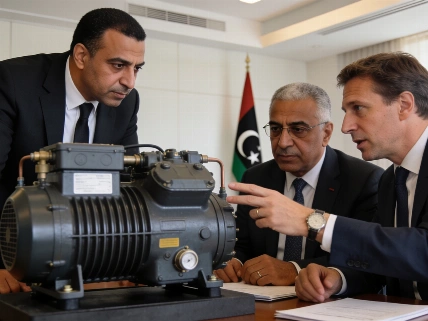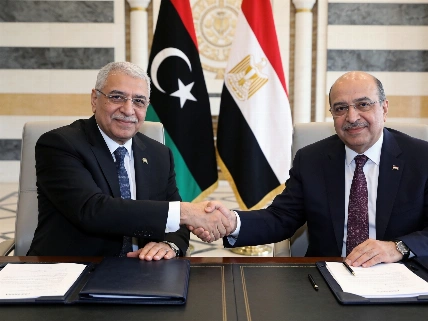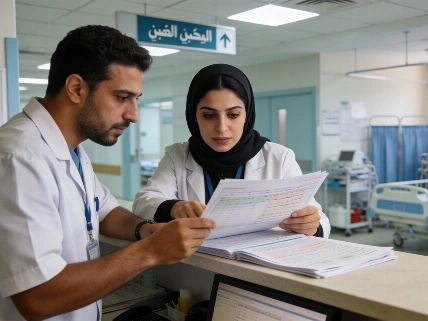

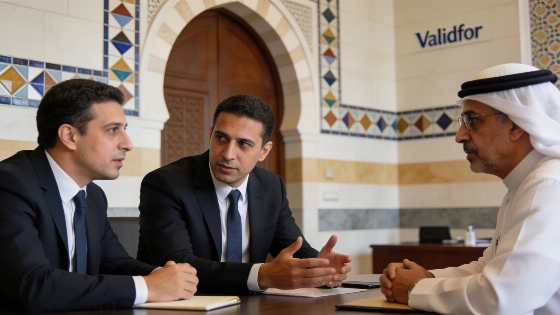
Validfor's top team sat down with Egypt's Associate Minister of Health, aiming to get in early on the country's digital health overhaul. The company is looking to land future deals and partnerships as Egypt's healthtech sector opens up.
Validfor is making a direct play for Egypt's digital health market. Company leaders met in Cairo with Dr. Hatem Amer, Associate Minister of Health and Population for International Relations and Treaties. This wasn't just a formality. Validfor is trying to get a real foothold in one of North Africa's fastest-changing healthtech scenes. Egypt's Ministry of Health has ramped up its digital plans after a presidential order in September 2026. The push is for artificial intelligence and unified electronic health records across the country, according to Al Ahram English and regional agencies like Morocco's MAP and Algeria's APS.
During the meeting, Validfor's leadership talked about how Egypt's healthcare system is changing and where international partners might fit in. A recent LinkedIn post shows Validfor isn't just watching from the sidelines. The company wants to line up with Egypt's digital health plans. The Ministry of Health is building a national digital health platform to connect hospitals, pull together patient records, and bring in AI, telemedicine, and central monitoring. This was discussed at the ministerial level on 19 September 2026, as covered in the national digital platform report. By meeting directly with top officials, Validfor is putting itself in the running for future contracts, partnerships, or pilot projects tied to Egypt's health system overhaul.
Strategic positioning in a crowded market
Validfor isn't just building its brand. By going straight to senior health officials, the company is laying the groundwork for cross-border business that could turn into real deals. The focus on international cooperation and digital transformation sends a clear message to investors and rivals: Validfor wants to grow its revenue and expand beyond its current markets. Egypt's digital health drive is part of a bigger government tech plan. This includes rolling out 5G, building more data centers, and investing in cloud and AI infrastructure. The Ministry of Communications and Information Technology confirmed these moves, and Tunis Afrique Presse (TAP) covered them in regional news.
Egypt is moving fast on digital infrastructure. Recent deals like Orange Egypt's work on new digital networks, reported earlier, show the pace. Competition is picking up. Validfor's direct talks with policymakers could give it an edge as new health digitisation projects roll out. Egypt is also building more international partnerships. The Ministry of Health has announced progress on a cooperation memorandum with Lebanon, which includes digital health and e-health applications. This shows Cairo's growing influence in the region's healthtech sector.
What this means for investors and healthtech players
The LinkedIn post didn't mention any signed deals, but Validfor's actions show a clear strategy: get involved with international health systems early. If these talks lead to real partnerships, Validfor could boost its presence in new markets and rely less on its current ones. For investors, this is a sign that the company is willing to put in the work to build relationships before jumping in-a move that could pay off with long-term growth and more visibility in healthtech. Egypt's plan to put over 100 public services online by 2026, including digital IDs and unified health cards, shows just how big the opportunity is for digital health companies. This was highlighted at the FDC Summit and in official statements from the Ministry of Communications.
Validfor's choice to meet directly with Egyptian health officials shows it understands how things get done in the region. Instead of waiting for public tenders or announcements, the company is making its own luck. In a market where timing and access matter, early high-level talks can be the difference between leading and lagging. The next step is to see if Validfor can turn these diplomatic moves into real business. But the company's intent is clear: it wants to be part of Egypt's digital health future. Regional groups like the UN Economic Commission for Africa have pointed out that these kinds of cross-border digital health projects are starting to shape investment across North Africa and the wider MENA region.