Egypt says it cleared foreign energy partners' outstanding dues in June 2026, while high global prices and lengthy exploration timelines keep pressure on public finances and reinforce the need for sustained energy infrastructure investment.
Exploration projects can take five to seven years to yield results, Abdel Fattah El-Sisi said, making long-term financing a basic challenge for Egypt's energy sector. He spoke on Thursday during "Egypt's Energy Journey: National Achievements and Future Prospects" at Egypt Forum 2026.
El-Sisi said Egypt had settled all outstanding dues to foreign partners in June 2026 and reaffirmed the government's commitment to working with the private sector on energy development.
Energy investment extends beyond generation
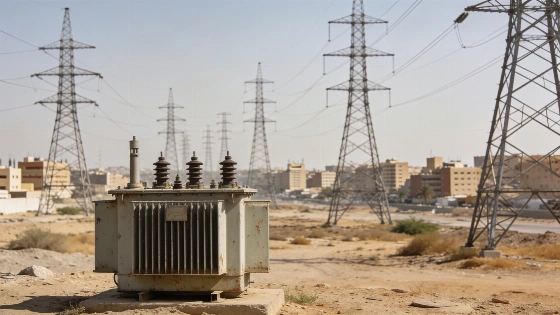
Egypt began developing a comprehensive energy infrastructure plan in 2014, after the energy crisis of 2012 and 2013. El-Sisi said investment must cover power generation as well as transmission and distribution networks, alongside infrastructure for conventional and renewable energy sources.
The state continues to bear the largest share of the actual cost of energy supplied to consumers, he said, as international prices rise. Geopolitical tensions and supply-chain disruptions add pressure, and El-Sisi called for greater public awareness of those challenges.
Public finances face long lead times
Limited state resources can require borrowing to maintain energy services for households and industry. El-Sisi urged Egyptians to support national efforts through continued work and production.
The financing question also sits within Egypt's wider effort to attract private capital for priority projects. A separate forum report covered Egypt's assessment of a guarantee facility intended to ease project financing risks; Norfund had requested more information but made no commitment.
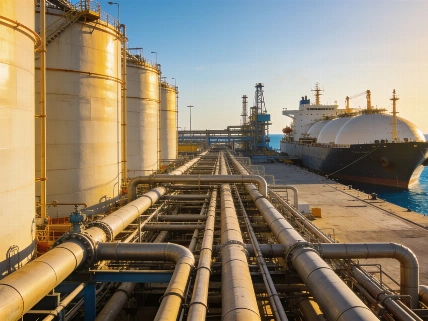
Forum discussions also covered electricity network improvements and efforts to stabilize natural gas production. Participants considered expanded capacity to receive liquefied natural gas. Global energy prices remained high as regional instability continued.