
Egypt's Ministry of Investment and Foreign Trade is working to cut average customs clearance times from 16 days to just two, aiming to strengthen the competitiveness of Egyptian exports and improve supply chain efficiency through digitalisation and regulatory reforms.
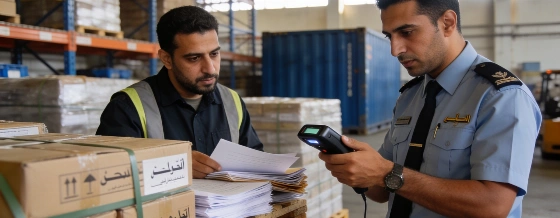
Egypt's Ministry of Investment and Foreign Trade has announced a drive to reduce average customs clearance times to two working days, as part of a broader strategy to enhance the country's trade competitiveness. Minister Mohamed Farid stated that the average clearance period has already dropped from around 16 days in June 2024 to approximately 5.8 days, with further reductions targeted through coordinated efforts with the Ministry of Finance, the Customs Authority, and other agencies.
Farid outlined these plans during a conference with logistics sector representatives, highlighting the government's focus on expediting the release of goods and supporting companies involved in shipping, storage, handling, and insurance. The initiative is being implemented via an integrated system that includes pre-clearance procedures, electronic documentation, digital certificates of origin, risk management, and improved digital connectivity among relevant authorities.
Digital Transformation and Regulatory Reform
The Ministry is prioritising digital transformation as a key tool for improving logistics sector efficiency. Farid noted that the regulatory environment is being adapted to allow for the testing and adoption of new technological solutions in digital trade documentation, goods tracking, and supply chain management. These measures are intended to streamline processes, reduce costs, and enable smaller companies to access new markets and financing opportunities.
Technology is also expected to optimise the use of logistics capacity by connecting service providers and matching shipments with available transport and storage resources, thereby reducing empty trips and increasing fleet utilisation rates.
Strategic Importance for Egypt's Trade and Supply Chains
According to Farid, developing the logistics sector is a strategic priority for Egypt's export competitiveness. Efficient systems for transporting, storing, and distributing goods directly impact production costs and the ability of Egyptian products to reach international markets. The Ministry is working with private sector companies to identify and address challenges, aiming to build more resilient domestic supply chains that support productive and export-oriented sectors.
Farid also emphasised that logistics services themselves can be exportable, with Egypt's geographic position and infrastructure offering opportunities in transit, transshipment, and re-export services. The Ministry is committed to ensuring that ongoing dialogue with the private sector leads to practical outcomes, distinguishing between issues that require infrastructure investment, regulatory reform, or technological solutions.
What to Watch Next
The next phase will focus on further reducing clearance times, rolling out digital solutions, and addressing bottlenecks identified in collaboration with the private sector. Progress in these areas will be critical for Egypt's efforts to strengthen its position in regional and global trade networks.