Egypt's government is considering a broader rollout of solar power and energy-efficiency technologies across agriculture, industry and services, aiming to cut energy use and emissions. Officials are also exploring green finance and community-led initiatives.
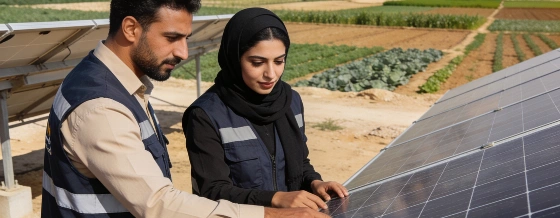
Egypt is evaluating new measures to expand the use of renewable energy, with a particular focus on solar power, as part of its local development strategy. The Ministry of Local Development and Environment announced that the government is also looking to integrate energy-efficiency technologies into the agricultural, industrial and service sectors to reduce overall energy consumption and emissions.
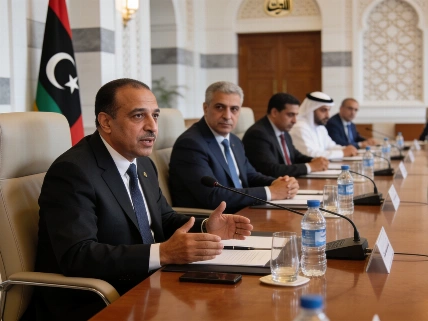
During a recent roundtable on a just energy transition, government officials, civil society representatives, private sector actors, and academics discussed ways to increase clean-energy investment and green financing. The discussions also addressed support for small and medium-sized enterprises, with the aim of making the energy transition more inclusive and effective at the local level.
Policy priorities: energy efficiency and community engagement
Manal Awad, Minister of Local Development and Environment, stated that a just energy transition should not only focus on expanding clean-energy sources but also on improving energy efficiency, reducing consumption, and ensuring active participation from local communities. She highlighted the role of civil society organisations in promoting energy-saving practices, supporting green initiatives, and building local capacity by working directly with communities to identify their needs.
Saber Osman, assistant minister for sustainability and social responsibility, noted that rising temperatures linked to climate change are increasing electricity and energy demand. He argued that this trend reinforces the need for more efficient and resilient energy systems, as well as greater deployment of renewable technologies.
Next steps: policy recommendations and local initiatives
Participants at the roundtable called for a shift from identifying challenges to developing practical interventions that can be implemented and scaled up locally. Topics included energy efficiency, digital transformation, governance, legislation, and green investment and financing. The ministry said the outcomes of these discussions are expected to inform policy recommendations, identify priority interventions in targeted governorates, and generate proposals for community-led initiatives. Strengthening partnerships among government, civil society, and the private sector was also identified as a key objective.