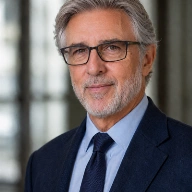
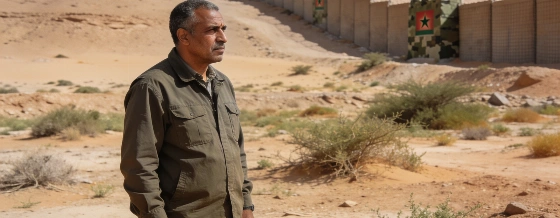
Sahrawi agricultural engineer Taleb Ibrahim warns that Western Sahara's fragile desert faces growing threats from both climate change and ongoing resource extraction, arguing that the green economy could become a new excuse for continued occupation and plunder.
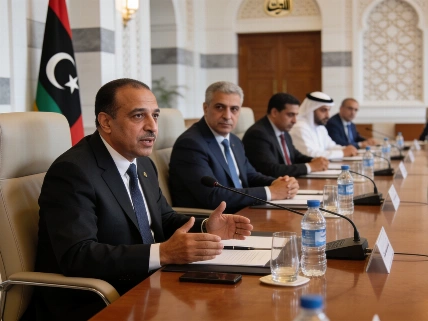
The push for a green economy in Western Sahara risks repeating old patterns of exploitation, says Sahrawi agricultural engineer Taleb Ibrahim. Speaking at the Ministry of Foreign Affairs in Shaheed El Hafed, Ibrahim argued that climate action in the region is inseparable from the rights of the Sahrawi people and the environmental damage caused by decades of military and colonial intervention. The United Nations still lists Western Sahara as a non-self-governing territory, and international legal opinions, including the 2002 UN legal review by Hans Corell, stress that resource development must reflect the interests and wishes of the Sahrawi people (Britannica).
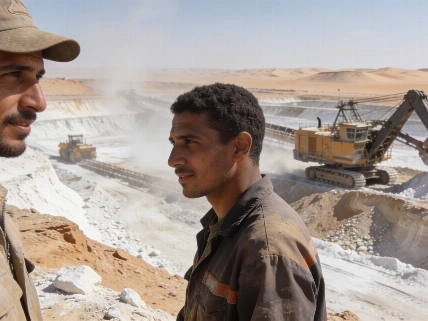
A new report, "The Plunder Footprint: The Environmental Cost of Natural Resource Exploitation in Western Sahara," presented by the Sahrawi Observatory for Natural Resources and Environmental Protection, set the stage for Ibrahim's warning. The event brought together researchers, international representatives, civil society, and media to focus on how environmental vulnerability and political conflict intersect in the region. The report documents not only the extraction of phosphates, fisheries, sand, and water, but also the wider ecological impact from transport, processing, storage, export, and related infrastructure. The cumulative effect, it argues, is taking a heavy toll on the region's fragile environment.
Military barriers and environmental impact
Ibrahim pointed out that the Moroccan military wall is more than a political or military barrier. It disrupts the movement of people, herders, and animals, and fragments already fragile desert ecosystems. The environmental cost of military infrastructure, combined with ongoing economic extraction, is making the territory even more vulnerable to climate change. According to the Algerian Press Service (APS), Sahrawi officials have repeatedly called on the United Nations and the African Union to address what they describe as violations of international law and to protect the Sahrawi people's right to control their land and resources.
Ibrahim argued that Western Sahara should be recognized both as a delicate ecosystem with natural limits and as a homeland for a people with internationally recognized rights. He warned that any energy transition or climate initiative that ignores these facts risks simply rebranding resource extraction as sustainability. In September 2026, Sahrawi authorities publicly urged the UN to include natural resources in the political process and to set up a transparent system for holding revenues until a final settlement is reached, to avoid making the current situation economically attractive (Radio Algeria English).
Who benefits from green projects?
For Ibrahim, the main issue is not how much clean energy Western Sahara can generate, but who bears the environmental cost, who profits, and whether these projects respect the Sahrawi people's right to self-determination and control over their resources. He called for a shift in the climate debate: away from technical targets and toward the real effects on water, soil, biodiversity, and human rights. The Tunis Afrique Presse (TAP) has reported similar debates across the Maghreb, where questions about resource management and local benefits are becoming central to climate and energy policy.
Ibrahim said that real climate action in Western Sahara needs an integrated approach-one that protects ecosystems, limits overexploitation, delivers climate justice, and upholds the legal rights of the Sahrawi people. Without this, the green economy risks becoming a cover for continued occupation and environmental harm. The debate is also shaped by the upcoming deadline for the UN Security Council to decide the future of the MINURSO mission, with a decision expected by 31 October 2026, as noted by Reuters and regional diplomatic sources.
The message is direct: climate solutions in Western Sahara cannot be separated from the political and legal realities on the ground. Any attempt to address environmental problems without facing the underlying issues of sovereignty and exploitation will only make the crisis worse. For international actors and investors, the lesson is clear-sustainability in Western Sahara must start with justice, not just technology.